
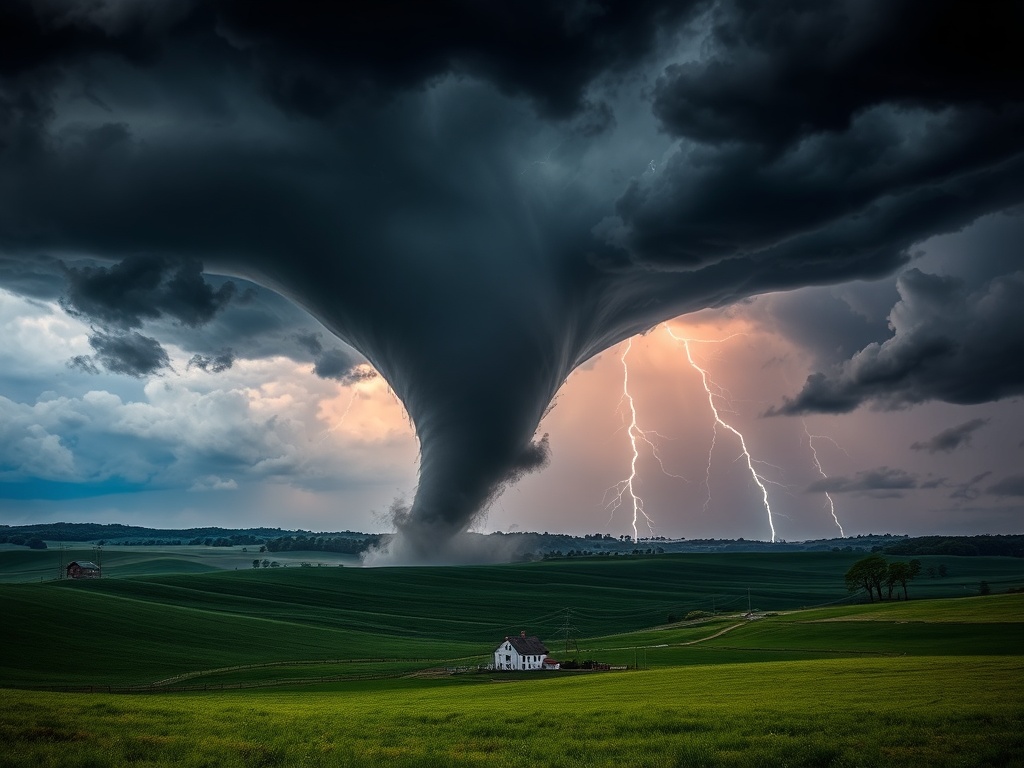
Indiana, located in the heart of the Midwest, experiences its fair share of severe weather, including tornadoes. These powerful and often unpredictable storms can cause significant damage, posing risks to people, property, and communities. In this article, we explore the nature of tornadoes in Indiana, look into historical events, and most importantly, provide practical advice on how to prepare and stay safe during a tornado.
What Causes Tornadoes in Indiana?
Tornadoes are violently rotating columns of air extending from thunderstorms to the ground. Indiana’s geographical location places it within an area susceptible to these storms, especially during the spring and early summer months. Tornado formation requires specific atmospheric conditions, including:
- Warm, moist air at the surface: Indiana often experiences warm, humid air masses moving northward from the Gulf of Mexico.
- Cool, dry air above: When drier air moves in from the west or northwest, it creates instability in the atmosphere.
- Wind shear: Changes in wind speed and direction at different altitudes generate rotation in thunderstorms, spawning tornadoes.
When these elements come together, supercell thunderstorms can produce tornadoes that range from weak and brief to devastating and long-lasting.
Tornado Season and Frequency in Indiana
Tornadoes can occur year-round in Indiana, but they are most common in the spring, particularly between April and June. During these months, the collision of warm moist air and cool dry air is frequent, setting the stage for severe weather outbreaks. Indiana typically averages around 20 tornadoes per year, though this number can fluctuate significantly.
Certain regions of Indiana are more prone to tornadoes, including central and northern parts of the state. However, tornadoes can strike almost anywhere within Indiana, making preparedness critical for all residents.
Historical Tornado Events in Indiana
Indiana has witnessed some powerful and destructive tornadoes throughout its history. Notable events include:
- Tri-State Tornado (1925): One of the deadliest tornadoes in U.S. history, this tornado traveled through Missouri, Illinois, and Indiana, killing 92 people in Indiana alone and causing widespread devastation.
- April 3, 1974 Outbreak: During the infamous “Super Outbreak,” several tornadoes struck Indiana, resulting in fatalities and significant damage.
- 2018 Tornado Outbreak: Multiple tornadoes struck Indiana on September 20, 2018, causing injuries and property damage, highlighting the ongoing threat.
These events underscore the importance of understanding tornado risk and remaining vigilant during severe weather seasons.
Recognizing Tornado Signs and Warnings
Being able to recognize the signs of a tornado and respond quickly can save lives. Some common visual and environmental clues that a tornado might be approaching include:
- A dark, often greenish sky
- Large hail
- A sudden calm or noticeable wind shift
- A loud roaring sound, similar to a freight train
- A visible funnel cloud extending from a thunderstorm
In Indiana, the National Weather Service issues tornado watches and warnings to alert residents. A tornado watch means conditions are favorable, while a tornado warning means a tornado has been spotted or indicated by radar. It’s crucial to take immediate shelter during a warning.
How to Prepare for a Tornado in Indiana
Preparation is key to minimizing harm during tornado events. Here are some practical steps residents of Indiana can take:
Create a Safety Plan
Identify a safe room in your home, such as a basement or an interior room with no windows. Make sure all family members know where to go during a tornado warning.
Assemble an Emergency Kit
Your kit should include essentials like water, non-perishable food, flashlights, extra batteries, a first aid kit, medications, and important documents. Don’t forget supplies for pets if you have them.
Stay Informed
Keep a NOAA weather radio or a reliable weather app handy. Follow local news and weather channels, and heed all warnings promptly.
Secure Your Home
Trim trees and secure outdoor items that could become projectiles. Consider reinforcing your home’s structure if you live in a tornado-prone area.
During a Tornado: What to Do
If a tornado warning is issued or you spot signs of a tornado, follow these guidelines immediately:
- Go to your pre-identified safe room, preferably underground or a small interior room away from windows.
- Cover yourself with heavy blankets, sleeping bags, or even a mattress to protect against debris.
- If you’re in a mobile home or vehicle, evacuate immediately and seek sturdier shelter.
- Remain in shelter until the warning has expired and it is safe to come out.
After the Tornado: Recovery and Safety
Once the tornado passes, be cautious during recovery. Watch for downed power lines, gas leaks, and unstable structures. Use text messages or social media to communicate your status, keeping phone lines free for emergencies.
Contact local authorities if you require assistance, and make sure to check on neighbors, especially the elderly or those with disabilities.
Conclusion
Tornado Indiana events remind us that while tornadoes can be destructive, understanding their nature and preparing accordingly greatly improves safety outcomes. By staying informed, recognizing warning signs, and having a solid emergency plan in place, Indiana residents can protect themselves and their families from the dangers posed by these powerful storms.
Remember, tornadoes can strike quickly, so vigilance and preparedness are your best defenses. Stay alert, stay safe, and ensure that your home and loved ones are ready when severe weather hits Indiana.