
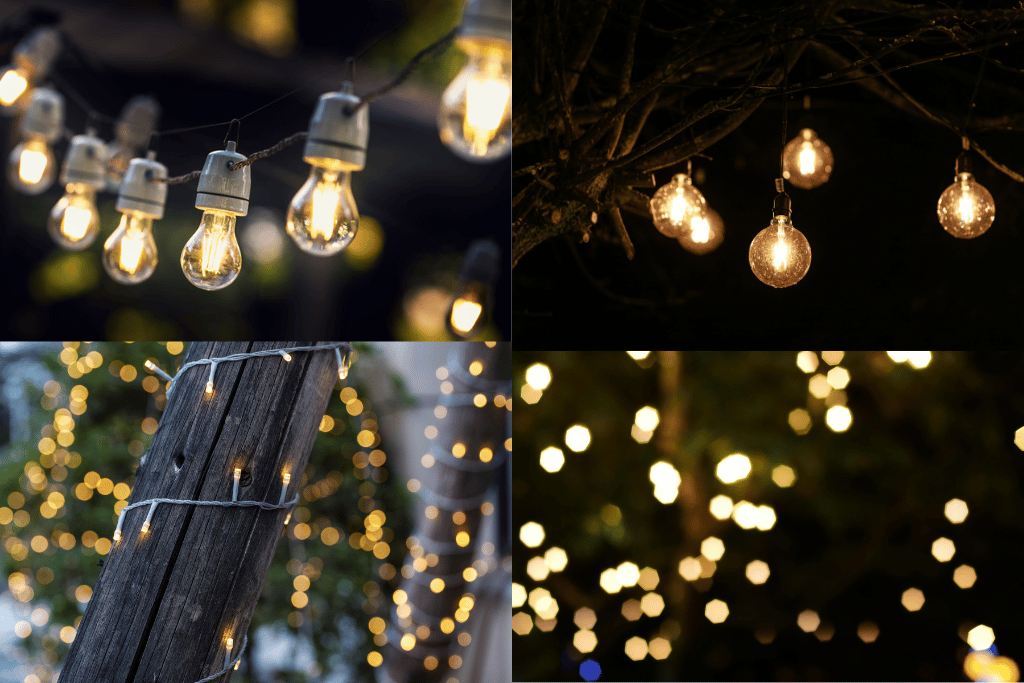
Flickering lights refer to a common electrical problem in which lighting fixtures fail to maintain a steady and consistent brightness, instead fluctuating in intensity or blinking irregularly. This issue can occur in almost all types of lighting systems, including LED bulbs, fluorescent tubes, incandescent lights, and modern smart lighting setups.
Flickering may be caused by a variety of factors such as unstable voltage supply, loose electrical connections, faulty switches, incompatible LED drivers, or overloaded circuits. In some cases, the problem originates from external power grid fluctuations, while in others it is due to internal wiring faults within a building.
Although flickering lights may sometimes appear as a minor inconvenience, they can have noticeable effects on comfort and well-being, including eye strain, headaches, reduced concentration, and general visual discomfort.
| Section | Summary |
| Definition | Unstable lighting that changes brightness or blinks due to irregular power flow. |
| Affected Lights | LED, fluorescent, incandescent, and smart lighting systems. |
| Main Causes | Voltage drops, loose wiring, faulty switches, overload, and bad LED drivers. |
| External Causes | Power grid fluctuations, storms, and peak electricity demand. |
| Types | Constant, intermittent, startup, and appliance-triggered flickering. |
| Early Warning Signs | Sudden dimming, blinking during appliance use, or random light changes. |
| Health Effects | Eye strain, headaches, fatigue, and reduced focus. |
| Sleep Impact | Disrupts relaxation and sleep quality in homes. |
| Safety Risks | Fire hazards, overheating wires, short circuits, and equipment damage. |
| Diagnosis Steps | Check bulbs, test fixtures, inspect switches, observe load, and monitor voltage. |
| Quick Fixes | Tighten bulbs, replace faulty parts, and reduce load on circuits. |
| Electrical Fixes | Repair wiring, balance circuits, and install stabilizers. |
| Professional Help | Required for recurring flickering or multi-room issues. |
| Prevention | Use quality components, avoid overload, and install surge protection. |
| Maintenance | Regular inspections to detect wiring or voltage issues early. |
| Environmental Factors | Weather changes and old infrastructure increase the risk of flickering. |
| Appliance Effect | Heavy devices like ACs and refrigerators trigger voltage drops. |
What Are Flickering Lights?

Flickering lights refer to lighting fixtures that do not maintain a constant and stable brightness level, instead showing fluctuations in intensity, intermittent blinking, or rapid changes in illumination. This unstable behavior occurs when the flow of electricity to the light source is inconsistent, causing the light to appear dimmer or brighter at different moments.
Flickering can be observed in various types of lighting systems, including LED bulbs, fluorescent tubes, incandescent bulbs, and modern smart lighting setups. In some cases, it is clearly visible and distracting, while in others it is subtle and difficult to notice directly.
However, even low-level or barely noticeable flickering can still impact visual comfort over time, leading to eye strain, reduced focus, headaches, and decreased overall concentration, especially in environments where lighting stability is important for work or study.
Why Flickering Lights Should Not Be Ignored?
Although sometimes harmless, flickering lights can be a warning sign of electrical instability. Ignoring them may lead to:
- Electrical fires in severe cases
- Damage to appliances and electronics
- Increased energy consumption
- Reduced the lifespan of lighting systems
- Safety risks in workplaces or industrial settings
Main Causes of Flickering Lights
| Cause | Explanation |
| Loose Bulb or Poor Socket Contact | A loosely fitted bulb disrupts electrical flow due to weak contact between the bulb and the socket. |
| Voltage Instability | Fluctuating power supply causes lights to dim or brighten unexpectedly, common in unstable grids. |
| Overloaded Electrical Circuits | Too many devices on one circuit create excess load, often triggering flickering when heavy appliances start. |
| Faulty Light Switches or Dimmers | Worn-out or low-quality switches fail to regulate current properly, leading to unstable lighting. |
| Damaged or Aging Wiring | Old or poorly installed wiring loosens over time, causing inconsistent electrical flow. |
| LED Compatibility Issues | Incompatible bulbs or poor-quality LED drivers can result in frequent flickering. |
| Utility Provider Fluctuations | External power distribution problems can cause flickering across multiple homes or areas. |
Types of Flickering Behavior

Flickering is not always the same. It can appear in different patterns:
1. Constant Flickering
Constant flickering refers to a situation where the light continuously blinks or shows unstable brightness without stopping. This type of flickering is usually caused by serious issues such as faulty wiring, damaged LED drivers, or poor electrical connections. It often indicates a deeper electrical problem that needs immediate attention.
2. Intermittent Flickering
Intermittent flickering happens randomly and does not follow a fixed pattern. It may occur occasionally when the electrical connection becomes loose or when there are sudden voltage fluctuations in the power supply. This type of flickering can be difficult to diagnose because it appears and disappears unpredictably.
3. Startup Flickering
Startup flickering occurs only when the light is turned on. In this case, the light may blink or flicker for a few seconds before becoming stable. It is often caused by incompatible LED bulbs, faulty dimmer switches, or weak power regulation during startup
4. Appliance-Triggered Flickering
Appliance-triggered flickering happens when heavy electrical devices such as air conditioners, refrigerators, or washing machines are switched on. The sudden power demand causes a temporary drop in voltage, leading to lights, which usually indicate circuit overload or insufficient electrical capacity. Elsewhere on the site: Why Does My Dog Keep Throwing Up.
Electrical and Environmental Factors
- Power Demand Peaks: During peak hours, voltage drops are common, which can cause lights to flicker.
- Weather Conditions: Storms, heavy rain, or lightning can disrupt power supply stability and lead to flickering.
- Old Infrastructure: Older buildings with outdated wiring systems are more likely to experience flickering issues due to weak or unstable electrical connections.
Effects of Flickering Lights on Health and Comfort
It can have more serious effects than most people realize, impacting both health and daily productivity. One of the most common issues is eye fatigue, as rapid changes in brightness continuously strain the eyes, especially during long exposure to unstable lighting.
In some individuals, this can also trigger headaches and migraines, particularly in those who are sensitive to light fluctuations. It may also lead to reduced concentration, making it harder to focus and perform tasks efficiently in both home and work environments. Additionally, in residential settings, they can cause sleep disruption by interfering with relaxation and creating an uncomfortable visual environment.
Safety Risks of Ignoring Flickering Lights
Ignoring flickering can sometimes lead to dangerous situations:
- Electrical sparks behind walls
- Overheating wires
- Short circuits
- Fire hazards
- Appliance damage
- These risks increase significantly if the issue is related to wiring or overloaded circuits.
How to Diagnose Flickering Lights?
| Action | Purpose / What It Indicates |
| Check the Bulb (replace or tighten) | Rules out simple issues like loose or faulty bulbs |
| Test Other Fixtures | If multiple lights flicker, it suggests an electrical supply or circuit problem |
| Observe Appliance Usage | Identifies if heavy appliances are causing voltage drops |
| Inspect Switches | Helps detect faulty or worn-out switches in the circuit |
| Monitor Voltage Stability | Frequent fluctuations indicate external power supply issues |
How to Fix Flickering Lights?
Once the cause is identified, appropriate solutions can be applied.
Basic Fixes
- Tighten or replace bulbs
- Replace faulty switches
- Use compatible LED drivers
Electrical Fixes
- Balance circuit load
- Repair or replace damaged wiring
- Install stabilizers or surge protectors
Professional Fixes
- Electrical rewiring
- Panel upgrades
- Circuit redistribution
Prevention Tips for Flickering Lights

Preventing flickering lights is always easier and more cost-effective than repeatedly repairing the problem after it occurs. This can be achieved by using high-quality electrical components that ensure stable and reliable performance over time. It is also important to avoid overloading sockets, as excessive electrical load can lead to voltage fluctuations and unstable lighting.
Scheduling regular electrical inspections helps identify potential issues early before they become serious problems. Installing surge protection systems can further safeguard your lighting and appliances from sudden voltage spikes. In addition, upgrading old or damaged wiring systems is essential for maintaining a safe and consistent electrical flow throughout your home or workplace.
When to Call an Electrician?
You should contact a professional if:
- Flickering affects multiple rooms
- A burning smell is present
- Breakers trip frequently
- Lights flicker with no clear cause
- Wiring is old or in an unknown condition
- Professional inspection ensures safety and long-term stability.
Conclusion
Flickering lights are more than just a minor visual disturbance; they are often an early indicator of underlying electrical issues that should not be ignored. From simple causes like loose bulbs to more serious problems such as faulty wiring, voltage instability, or overloaded circuits, flickering can arise from both internal and external electrical factors.
While the effects may start as slight discomfort, prolonged exposure can lead to eye strain, headaches, reduced productivity, and even safety risks such as electrical fires or appliance damage. Understanding the causes, types, and solutions of lights helps in taking timely action, ensuring both safety and comfort.
Want to know about Investing in Success: The Calvin Ramsay Net Worth and Financial Strategy Check out our Featured category.
FAQs
These are lighting fixtures that do not maintain a constant brightness and instead fluctuate, blink, or dim due to unstable electrical flow.
The most common causes include loose bulbs, voltage fluctuations, faulty switches, or overloaded electrical circuits.
Yes, in some cases, they can indicate serious electrical problems such as wiring faults or overloads, which may lead to fire hazards if ignored.
Yes, LED lights can flicker due to incompatible drivers, poor-quality bulbs, or unstable voltage supply.
Simple fixes include tightening bulbs, replacing faulty switches, reducing circuit load, or using compatible LED drivers.
You should call an electrician if flickering affects multiple rooms, occurs frequently, or is accompanied by burning smells or tripping breakers.