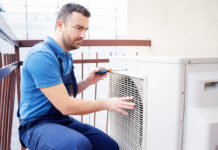

When temperatures drop, most homeowners rely heavily on their heating systems to keep indoor spaces comfortable and safe. However, many people overlook how everyday habits inside the home can directly affect heating performance, energy efficiency, and long-term system reliability. A heating system works best when the home itself supports proper airflow, temperature balance, and heat retention.
Simple adjustments such as improving insulation, managing airflow, and scheduling regular heating service can make a noticeable difference in comfort and operating costs. Small preventative steps often help systems run more smoothly while reducing unnecessary strain during colder months. The result is a warmer, healthier, and more energy-efficient home environment.
Keep Your Thermostat Settings Consistent
One of the most common mistakes homeowners make is constantly adjusting the thermostat throughout the day. Frequent temperature changes force heating systems to work harder than necessary, increasing energy use and placing additional stress on important components.
Maintaining a steady indoor temperature helps the system operate more efficiently. Many experts recommend keeping winter temperatures between 18°C and 21°C for a balance of comfort and energy savings. Lowering the temperature slightly at night or while away from home can also reduce heating costs without sacrificing comfort.
Programmable and smart thermostats make this process easier. These devices automatically adjust temperatures based on daily routines, helping homeowners avoid unnecessary heating cycles while maintaining consistent indoor conditions.
Improve Airflow Throughout the Home
Proper airflow plays a major role in heating performance. Even a high-quality heating system can struggle if warm air cannot circulate freely through the house.
Blocked vents, dirty filters, and cluttered airflow pathways can force the system to work harder while delivering uneven heating. Rooms may feel colder than expected, and energy bills can gradually rise as efficiency declines.
Homeowners can improve airflow by:
- Keeping furniture away from vents and registers
- Replacing air filters every one to three months
- Vacuuming dust around vents regularly
- Ensuring internal doors allow proper air circulation
- Checking for blocked return air vents
Clean filters are especially important during winter. Dirty filters restrict airflow and reduce indoor air quality while increasing wear on the heating system.
Reduce Heat Loss Around the House
Many heating systems lose efficiency because warm air escapes through small gaps and poorly insulated areas. Even minor drafts can make indoor spaces feel colder and force the system to run longer than necessary.
Windows and doors are common problem areas. Small gaps around frames allow heated air to escape while cold air enters the home. Sealing these areas with weather stripping or caulking can significantly improve comfort and reduce energy waste.
Insulation also plays a critical role in maintaining indoor temperatures. Homes with insufficient attic or wall insulation often experience uneven heating and higher utility bills. Improving insulation helps retain warmth for longer periods, reducing the workload placed on the heating system.
Heavy curtains, insulated blinds, and draft stoppers can provide additional protection against heat loss during colder months.
Use Humidity Levels to Improve Indoor Comfort
Indoor humidity has a surprisingly strong effect on how warm a home feels. Dry winter air often makes indoor spaces feel colder, even when the thermostat is set at a comfortable temperature.
Balanced humidity levels help the air retain warmth more effectively, allowing homeowners to feel comfortable at slightly lower temperatures. This can reduce energy consumption while improving overall indoor comfort.
Dry indoor air can also contribute to:
- Dry skin and irritated sinuses
- Increased static electricity
- Poor sleep quality
- Respiratory discomfort
- Damage to wooden furniture and flooring
Using a humidifier during winter can help maintain healthier humidity levels throughout the home. Ideally, indoor humidity should remain between 30% and 50% for comfort and air quality balance.
Schedule Preventative Heating Maintenance
Routine maintenance remains one of the most effective ways to improve heating performance and prevent unexpected breakdowns. Many heating problems develop gradually and go unnoticed until efficiency drops or major repairs become necessary.
Professional inspections help identify worn components, airflow restrictions, thermostat issues, and safety concerns before they become expensive problems. Seasonal servicing also helps systems operate more efficiently during periods of heavy winter use.
Preventative maintenance commonly includes:
- Inspecting burners and heat exchangers
- Testing thermostat accuracy
- Cleaning internal components
- Checking airflow and duct performance
- Lubricating moving parts
- Identifying early signs of wear
Well-maintained systems generally last longer, perform more reliably, and consume less energy over time.
Make Smart Changes to Daily Heating Habits
Everyday household habits can either support or reduce heating efficiency. Small behavioural adjustments often create noticeable improvements in comfort and energy savings without requiring expensive upgrades.
Opening curtains during sunny daytime hours allows natural heat to warm indoor spaces. Closing them at night helps retain warmth and reduce heat loss through windows.
Unused rooms should not always be completely closed off unless the home’s airflow design supports it. Fully blocking airflow in multiple rooms can create pressure imbalances that affect heating performance throughout the house.
Ceiling fans can also help during winter. Running fans at a low speed in reverse pushes warm air downward, improving heat circulation in larger rooms.
Layering clothing indoors and using rugs on hard flooring can further improve comfort while reducing the need for excessive heating.
Know When Your Heating System Is Losing Efficiency
Even with proper maintenance, heating systems gradually become less efficient over time. Recognising early warning signs allows homeowners to address problems before they become severe.
Common indicators of declining performance include:
- Uneven temperatures between rooms
- Strange noises during operation
- Increased energy bills without higher usage
- Weak airflow from vents
- Frequent cycling on and off
- Persistent dust or dry indoor air
- Difficulty maintaining comfortable temperatures
Older systems may eventually struggle to meet household heating demands efficiently. In some cases, repairs can restore performance, while in others, upgrading to a newer system may provide better long-term efficiency and comfort.
Professional evaluations help homeowners determine whether maintenance, repairs, or replacement options make the most sense for their situation.
Conclusion
Creating a comfortable indoor environment involves more than simply turning up the thermostat. Consistent temperatures, proper airflow, balanced humidity, and reduced heat loss all contribute to better heating performance and lower energy consumption. Small maintenance habits and practical household adjustments can help heating systems operate more efficiently while improving comfort throughout the colder months.
Homeowners who take a proactive approach to heating maintenance often experience fewer breakdowns, lower utility costs, and more reliable indoor comfort over time. By supporting the heating system with smart daily habits and preventative care, it becomes easier to maintain a warm, energy-efficient home throughout winter.
Apart from that, if you want to know about HVAC Capacitor Replacement Cost then visit our Home Improvement category.