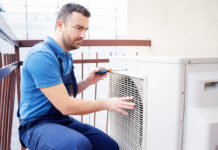

A whole house surge protector safeguards your home from electrical spikes by diverting excess voltage to the grounding system. Advanced models react in nanoseconds and handle surges of 40–100 kA, protecting appliances such as HVAC systems, refrigerators, and computers. Modern units feature heat-resistant enclosures, LED indicators, audible alarms, and Wi-Fi monitoring.
Popular models, including Siemens FS140 and Eaton CHSPT2ULTRA, cost $150–$700, with professional installation adding $100–$250. Installing a whole-house surge protector prevents costly appliance damage, reduces fire risks, and extends electronics’ lifespan, providing reliable energy management, safety, and peace of mind for homes, offices, and mixed-use properties.
| Basics | Details |
| Function | Monitors voltage spikes and diverts excess to ground. |
| Response | Reacts in nanoseconds to lightning and power surges. |
| Surge Capacity | Handles 40–100 kA safely. |
| Enclosure | Heat-resistant plastic or metal with corrosion-proof internals. |
| Indicators | LED lights show operational status. |
| Alarms | Audible alerts for faults or surges. |
| Smart Features | Wi-Fi monitoring for remote alerts. |
| Thermal Protection | Fuses prevent overheating and fire risk. |
| Joule Rating | Absorbs 10,000–80,000 joules of energy. |
| Dual-Stage | Adds outlet-level protection for sensitive devices. |
| Types | Type 1 (service), Type 2 (panel), Type 3 (outlet). |
| Popular Models | Siemens FS140, Square D HEPD80, Eaton CHSPT2ULTRA. |
| Installation | Connect to the main panel and grounding; professional-recommended. |
| Cost | Basic $150–$250, mid $300–$450, premium $600–$700 + install. |
| Maintenance | Minimal; check LEDs; lifespan 10–15 years. |
| Selection Tips | Match the home load, rating, response, and warranty for safety. |
How a Whole House Surge Protector Works?
A whole house surge protector continuously monitors incoming electricity for abnormal voltage spikes. When detected, the device diverts excess electricity to the grounded wiring system. High-end models respond in nanoseconds, protecting appliances from damage caused by lightning, utility fluctuations, or internal surges. Units rated at 40–100 kA can safely withstand multiple surges, ensuring safety and longevity for all electronics in residential, commercial, or mixed-use properties.
Key Features and Materials

- Modern surge protectors use durable, heat-resistant plastic or metal enclosures with corrosion-resistant internal components.
- Features include LED status indicators, audible alarms, Wi-Fi-enabled remote monitoring, and thermal fuses to prevent overheating.
- Joule ratings range from 10,000 to 80,000 joules, enabling high-energy surge absorption.
- Some models also include dual-stage protection with integrated point-of-use outlets for additional sensitive electronics.
Benefits of Installing
- Installing a whole house surge protector prevents costly appliance damage, reduces fire risk, and extends the life of electronics.
- It protects all circuits simultaneously, including HVAC, water heaters, and home office equipment.
- Advanced models with intelligent monitoring alert homeowners to electrical anomalies.
- In areas prone to lightning strikes or frequent utility fluctuations,
- Protects entire home wiring and appliances from sudden power surges
- These protectors reduce downtime, ensure safety, and save homeowners thousands in replacement costs over time.
Signs You Need

Homeowners may need a surge protector if appliances frequently trip breakers, electronics fail, or lights flicker. Older homes with outdated panels, properties near high-voltage lines, or regions with frequent thunderstorms are at greater risk. Recurrent minor surges may degrade sensitive equipment over time. Installing a protector early reduces repair costs, preserves expensive electronics, and provides reliable energy management throughout the property.
Types and Models
Common surge protector types include Type 1 units for service entrance installation, Type 2 units for panel mounting, and combination units that integrate Type 3 outlet-level protection. Popular models like Siemens FS140, Square D HEPD80, and Eaton CHSPT2ULTRA vary in joule rating (40–80 kJ) and response speed (up to 1 nanosecond). Selection depends on home size, electrical load, and local surge exposure.
Installation Process and Location Considerations
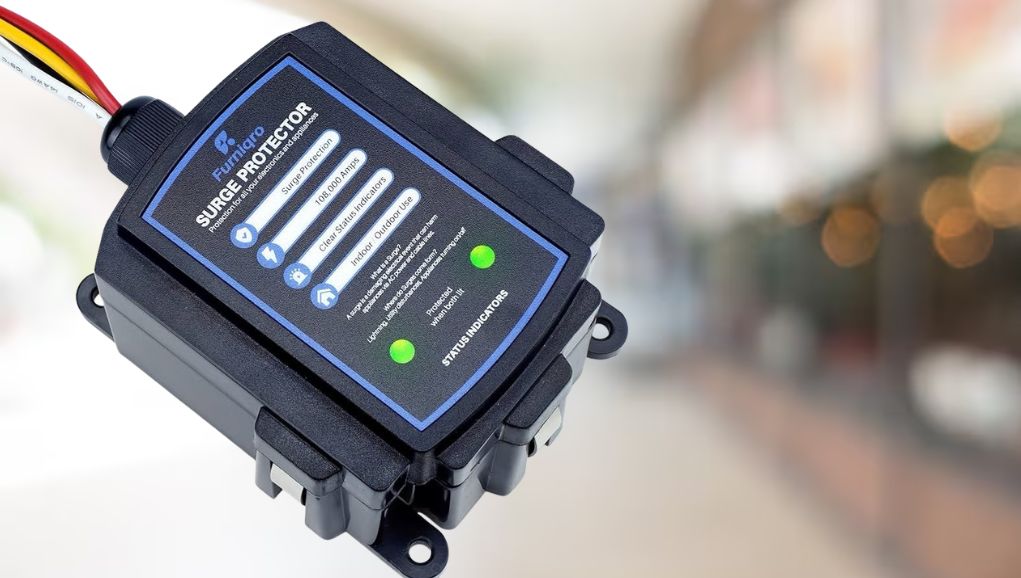
Installing a whole house surge protector requires professional service at the main breaker panel. The device must connect to the grounding system using copper or aluminum conductors sized in accordance with the NEC code. Installation time averages 1–2 hours, depending on panel type. For multi-panel homes or split-phase systems, additional units may be required. Proper placement ensures maximum protection and compliance with building codes, minimizing the risk of fire or damage.
Cost
The surge protector cost varies by model, brand, and features. Basic units start around $150–$250, mid-range units with LED monitoring cost $300–$450, and premium innovative models can reach $600–$700. Professional installation typically adds $100–$250, depending on labor rates and panel complexity. While the upfront investment is significant, long-term savings from appliance protection make it highly cost-effective.
Maintenance and Lifespan

Most surge protectors require minimal maintenance, with periodic inspection of LED indicators and visual checks for discoloration or wear. Lifespan ranges from 10–15 years, though repeated high-energy surges may reduce effectiveness. Replacement is recommended after significant events, such as nearby lightning strikes. Regular monitoring ensures reliable protection, safeguards expensive electronics, and maintains compliance with safety standards.
Choosing the Right?
Selecting a whole house surge protector involves evaluating home size, circuit load, and local surge risk. Key considerations include joule rating, clamping voltage, response time, and warranty. Devices with intelligent monitoring allow remote alerts and diagnostics. Consulting a licensed electrician ensures proper panel compatibility, grounding, and adherence to NEC standards. A well-chosen unit protects all household electronics efficiently and provides peace of mind against costly electrical surges.
Conclusion
In conclusion, a whole house surge protector offers essential protection against voltage spikes, safeguarding appliances, electronics, and home systems. With surge capacities of 40–100 kA, fast nanosecond response times, and features such as LED indicators and Wi-Fi monitoring, these units prevent costly damage and reduce fire risks. Investing in a quality surge protector ensures long-term safety, extends the lifespan of electronics, and provides peace of mind for homeowners and property managers alike.
Want to know about HVAC Capacitor Replacement Cost Check out our Home Improvement category.
FAQs
Modern units react in nanoseconds, instantly protecting sensitive electronics, including HVAC systems, computers, and refrigerators, from lightning strikes, utility fluctuations, and internal electrical surges.
Most homes benefit from surge protectors rated 40–100 kA, which can safely handle multiple spikes and prevent damage to high-value electronics and appliances.
Durable, heat-resistant plastic or metal enclosures house corrosion-resistant internal components, with thermal fuses and LED indicators enhancing the safety, performance, and lifespan of the surge protection unit.