
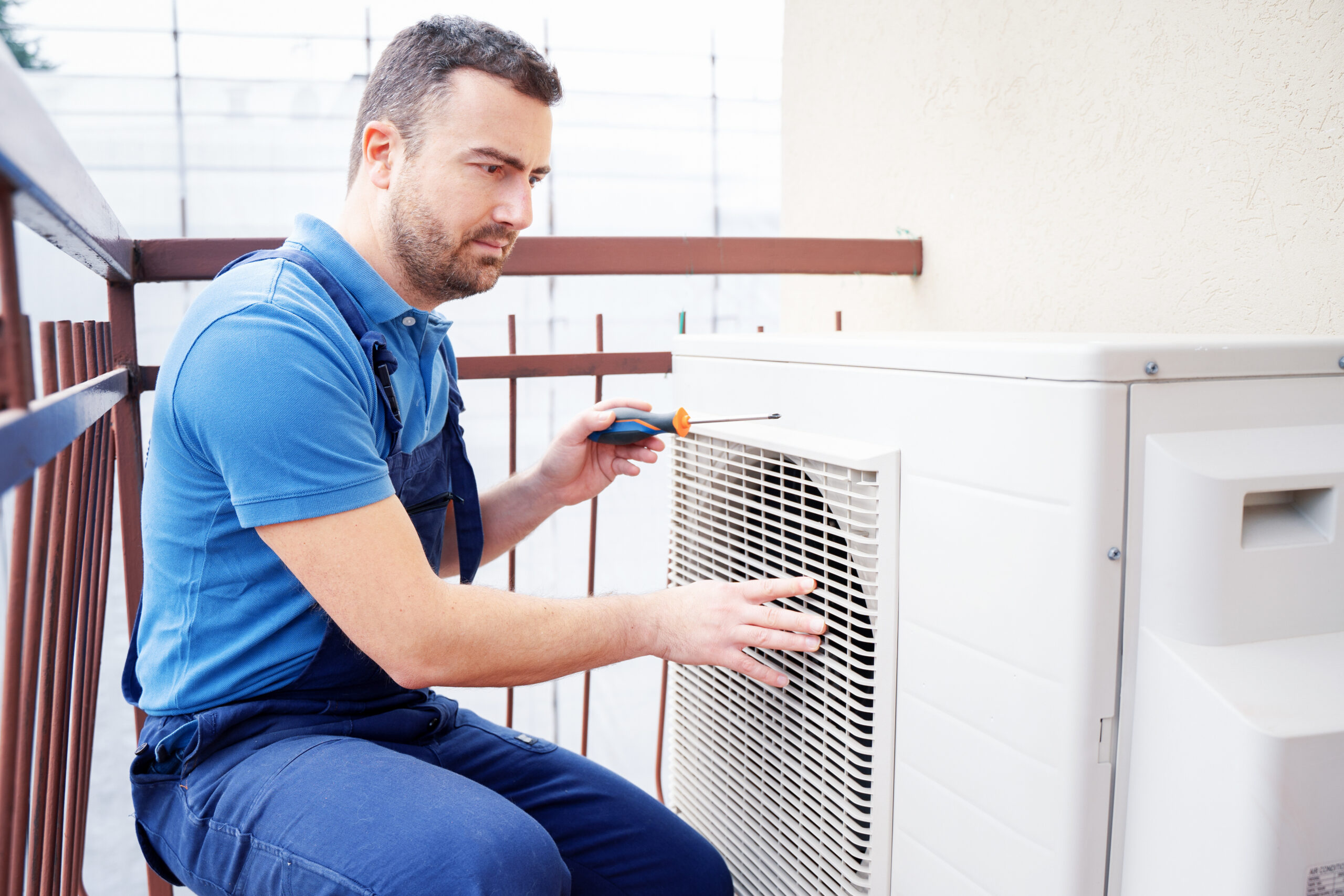
Unsure when to change an air filter yourself versus calling an expert? DIY tasks keep your heating and cooling unit running smoothly, but professional tune-ups prevent major breakdowns. Discover the right balance between hands-on care and professional maintenance to keep your system efficient, durable, and cost-effective all year.
Keeping your home comfortable year-round requires a reliable heating and cooling system. While changing a basic filter is simple enough for any homeowner, knowing where self-service ends and expert intervention begins can save you thousands in costly repairs. Skipping essential checkups often leads to poor efficiency, sky-high utility bills, and sudden system failures during peak summer heat. Knowing when to tackle simple care yourself and when to call for professional HVAC help in Palm Harbor, FL ensures your equipment stays in peak operating condition while protecting your investment and long-term indoor comfort.
1. What DIY HVAC Maintenance Covers
Homeowners can easily handle routine upkeep that does not involve electrical wiring, refrigerants, or complex mechanical components. Regularly completing basic care preserves healthy airflow and prevents unnecessary strain on your system’s blower motor.
Key self-service maintenance tasks include:
- Replacing or cleaning air filters every one to three months.
- Clearing leaves, dirt, and yard debris away from the outdoor condenser unit.
- Keeping supply and return vents unblocked by furniture, rugs, or drapes.
- Cleaning surface dust off accessible vent covers and thermostat sensors.
2. Tasks That Strictly Require a Professional
Certain maintenance requirements demand technical expertise, specialized tools, and safety certifications. Attempting to manage electrical wiring, hazardous refrigerants, or internal blower components on your own poses serious safety risks and can instantly void your manufacturer warranty.
Tasks reserved exclusively for trained technicians:
- Inspecting electrical connections, capacitors, and contactors.
- Checking and adjusting refrigerant levels according to factory specifications.
- Cleaning evaporator coils and flushing clogged condensate drain lines.
- Calibrating thermostats and testing overall system airflow performance.
3. How Often Should You Call a Technician?
As a general rule, your system needs professional servicing at least twice a year—once in spring for your air conditioner and once in autumn for your heating unit. In coastal or high-humidity regions, humid weather, salt air, and heavy seasonal usage accelerate component wear and electrical corrosion.
If you notice unusual noises, warm airflow, or unexpected spikes in energy bills, scheduling expert HVAC help in Palm Harbor, FL right away prevents minor issues from escalating into complete system failure. Routine professional tune-ups keep energy consumption low and significantly extend the operating lifespan of your unit.
4. Understanding the Cost of Neglect vs. Preventative Service
Failing to maintain your system regularly leads to exponential costs over time through inflated energy bills and sudden component failures. A minor refrigerant leak or a clogged drain line left unchecked can destroy a compressor or cause extensive water damage inside your home. Investing in bi-annual checkups acts as an affordable insurance policy that protects both your wallet and your indoor climate control.
5. Improving Indoor Air Quality Alongside System Upkeep
System performance directly impacts the quality of the air circulating through your living spaces. Over time, dust, pollen, mold spores, and airborne pollutants settle inside ductwork and on damp evaporator coils, recirculating throughout your home every time the unit kicks on. Professional technicians clean delicate internal parts and offer specialized air filtration or dehumidification solutions to keep your indoor air safe, fresh, and allergen-free.
FAQs
Standard 1-inch air filters should be changed every 30 to 90 days. Homes with pets, family members with allergies, or high daily usage require more frequent filter replacements.
Yes, gently spraying the exterior housing with low-pressure water removes dirt and leaves, but high pressure can bend sensitive aluminum cooling fins.
Skipping tune-ups leads to reduced cooling efficiency, higher electric bills, frequent breakdowns, poor indoor air quality, and potential warranty cancellation.
A standard maintenance checkup takes between 45 and 90 minutes, depending on system access, age, and overall equipment condition.
Signs include weak airflow, strange screeching or grinding noises, foul odors, unexplained electric bill spikes, and short-cycling on and off.
In Summary
Balancing simple DIY upkeep with routine professional maintenance is the single best strategy for maintaining home comfort and system reliability. While changing filters and clearing outdoor debris are easy tasks every homeowner should perform, complex technical servicing requires specialized expertise. Professional technicians possess the equipment and knowledge required to catch hidden electrical issues, optimize refrigerant charge, and protect outdoor coils from harsh coastal environmental wear. Scheduling routine tune-ups twice a year prevents unexpected breakdowns, lowers monthly utility bills, and preserves long-term equipment efficiency. Whenever your system shows warning signs or requires seasonal servicing, securing reliable HVAC help in Palm Harbor, FL guarantees peace of mind and optimal indoor performance. Investing in professional care today protects your system for years to come.
If you want to know about Everything You Should Know About Hardwood Floor Installation: Cost, Tools, Techniques, and Expert Advice for a Flawless Finish then visit our Home Improvement category.