

A double ear infection is a painful, uncomfortable condition in which both ears become infected at the same time, usually due to inflammation in the middle ear. It often develops after a respiratory illness, such as a cold or the flu, when fluid becomes trapped behind the eardrums, creating a favorable environment for infection.
This condition can affect people of all ages, but it is especially common in children because their ear structures are still developing. A double ear infection can significantly impact daily life, causing persistent ear pain, pressure, reduced hearing, irritability, and sometimes fever or balance issues.
Although it may sound serious, most cases can be effectively treated with proper medical attention and early care, helping prevent complications and ensuring a smooth recovery. Early diagnosis and timely treatment are important for quickly relieving symptoms and preventing the infection from spreading or causing long-term ear problems.
| Section | Key Points |
| Definition | Infection in both ears (bilateral otitis media) usually affects the middle ear. |
| Main Cause | Blocked Eustachian tubes due to colds, flu, allergies, or sinus infections. |
| Who is Affected | Common in children, but can occur in adults too. |
| Symptoms | Ear pain, pressure, fever, reduced hearing, dizziness, irritability. |
| Types | Acute, Chronic, and Serous Otitis Media. |
| Diagnosis | Otoscope exam, Tympanometry, Hearing tests. |
| Treatment | Pain relief, antibiotics (if bacterial), ear drops, and rest. |
| Home Care | Warm fluids, humidifier, head elevation, warm compress, rest. |
| Diet Advice | Warm soups, vitamin C foods; avoid cold drinks, alcohol, and smoking. |
| Complications | Hearing loss, ruptured eardrum, chronic infection, and balance issues. |
| Prevention | Hygiene, vaccinations, early cold treatment, and avoiding smoke. |
| Recovery | 2 days to 2 weeks, depending on severity. |
Double Ear Infection
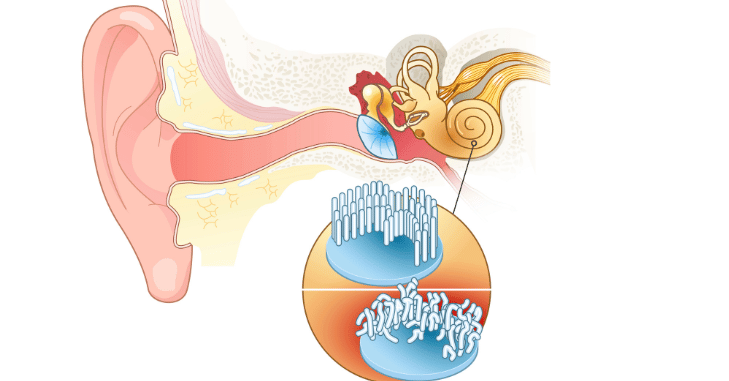
A double ear infection, also known as bilateral otitis media, is a condition in which both ears become infected and inflamed at the same time, usually affecting the middle ear space behind the eardrums. This occurs when the Eustachian tubes, which help drain fluid from the ears, become blocked due to colds, flu, allergies, or sinus infections.
As a result, individuals may experience significant symptoms, including ear pain, pressure or fullness, muffled hearing, fever, dizziness, and difficulty sleeping. It is especially common in young children due to their shorter and more horizontal Eustachian tubes, but adults can also be affected.
If left untreated, an ear infection may lead to complications such as temporary hearing loss, persistent fluid buildup, or, in severe cases, rupture of the eardrum. However, with proper medical care, including pain management, antibiotics when necessary, and supportive home remedies, most cases resolve successfully within a few days to a couple of weeks.
Understanding the Ear and How Infection Develops
The ear is divided into three parts:
- Outer ear
- Middle ear
- Inner ear
A double ear infection affects the middle ear, where tiny air-filled spaces normally help transmit sound. When the Eustachian tubes (which connect the middle ear to the throat) become blocked, fluid builds up behind the eardrum. This trapped fluid creates a warm, moist environment where bacteria or viruses can grow rapidly, leading to infection in both ears.
Types of Double Ear Infections

1. Acute Double Ear Infection
- Appears suddenly
- Causes severe pain and fever
- Usually lasts a few days to weeks
- Common in children
2. Chronic Double Ear Infection
- Long-lasting or recurring
- May cause persistent fluid buildup
- Can lead to hearing issues if untreated
3. Serous Otitis Media
- Fluid present without active infection
- Often follows a cold or allergy
- Causes muffled hearing in both ears
Major Causes of Double Ear Infection
It usually develops due to conditions that affect the respiratory system, as these illnesses can easily spread to the middle ear through the Eustachian tubes. Common causes include viral infections such as the cold or flu, as well as bacterial infections like Streptococcus pneumoniae and Haemophilus influenzae.
Other contributing factors include sinus infections, severe nasal congestion, and allergic reactions that cause swelling and blockage in the nasal passages. In children, enlarged adenoids are also a frequent cause, while exposure to smoke or polluted air can further irritate the respiratory system and increase risk.
A weakened immune system may also make the body more vulnerable to infection. When the Eustachian tubes become swollen or blocked, proper drainage is prevented, allowing fluid to build up and leading to infection in both ears.
Symptoms of Double Ear Infection
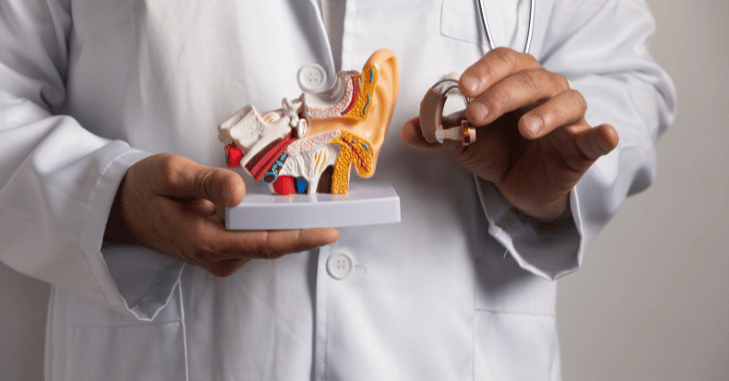
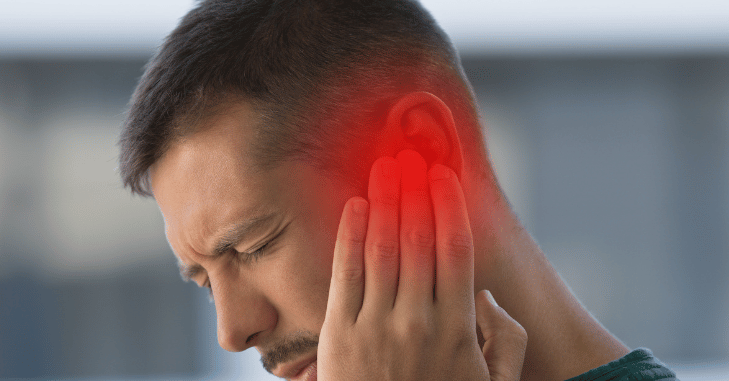
Because both ears are infected, symptoms are usually more intense.
Ear-related symptoms
- Pain in both ears
- Pressure or fullness
- Reduced hearing ability
- Ear popping or ringing
- Fluid discharge (in severe cases)
General symptoms
- Fever and chills
- Headache
- Fatigue and weakness
- Dizziness or balance issues
- Irritability (especially in children)
Symptoms in infants
- Constant crying
- Tugging or rubbing ears
- Poor feeding
- Sleep disturbances
Diagnosis of Double Ear Infection
| Test / Method | Purpose & Details |
| Otoscope Examination | A lighted instrument is used to look inside the ear canal and eardrum. It helps detect redness, swelling, fluid buildup, and a bulging eardrum, which are key signs of infection. |
| Tympanometry | Measures how well the eardrum moves in response to air pressure. It helps identify fluid in the middle ear or blockage in the Eustachian tube. |
| Hearing Tests | Used in severe or recurring cases to assess any hearing loss caused by fluid buildup or long-term infection. |
Treatment Options for Double Ear Infection
Treatment depends on whether the infection is viral or bacterial.
1. Pain Relief
- Ibuprofen or acetaminophen
- Warm compress applied to the ears
- Rest and hydration
2. Antibiotics
- Used for bacterial infections
- Must be taken for the full prescribed duration
- Not effective for viral infections
3. Ear Drops
- Pain-relieving or antibiotic drops
- Reduce inflammation and discomfort
Home Remedies and Supportive Care
Home care can significantly reduce discomfort and support faster recovery from an ear infection. Drinking warm fluids helps loosen mucus and reduces pressure in the ears, while using a humidifier can keep the air moist and provide relief from nasal congestion. Sleeping with the head elevated improves drainage and decreases ear pressure, making rest more comfortable.
Applying a warm compress to the affected ears can also ease pain and soothe inflammation. It is important to avoid water entering the ears during bathing to prevent further irritation or infection. In addition, getting adequate rest is essential, as it helps strengthen the immune system and allows the body to heal more effectively.
Diet and Lifestyle During Infection
| Category | Details |
| Recommended Foods & Habits | Warm soups and broths, fruits rich in vitamin C, hydrating fluids, and soft, easy-to-digest foods that support healing and boost immunity. |
| Avoid | Cold drinks (may worsen discomfort), smoking and alcohol (delay healing and increase infection risk), and excessive dairy (may increase mucus in some cases). |
Possible Complications of Double Ear Infection
If untreated, complications may include:
- Temporary hearing loss
- Chronic ear infections
- Ruptured eardrum
- Balance problems
- Speech delays in children
- Spread of infection to nearby tissues
Prevention of Double Ear Infection
You can reduce the risk of ear infections by following a few simple yet effective daily habits. Regular hand washing helps prevent the spread of bacteria and viruses that often cause ear infections, while treating colds and allergies early can stop congestion from blocking the Eustachian tubes.
It is also important to avoid exposure to secondhand smoke, as it can irritate the respiratory system and increase infection risk. Keeping vaccinations up to date provides added protection against common infections, and feeding infants in an upright position helps prevent fluid from entering the middle ear.
When to See a Doctor Immediately?

Seek medical help if you notice:
- Severe or worsening ear pain
- High fever lasting more than 48 hours
- Fluid or pus from the ears
- Hearing loss or dizziness
- Symptoms not improving after 2–3 days
Recovery Timeline
- Mild cases: 2–5 days improvement
- Moderate cases: 1–2 weeks
- Severe cases: May take longer with treatment
Conclusion
A double ear infection is a common yet painful condition that affects both ears simultaneously, often developing after respiratory illnesses such as colds, flu, or sinus infections. Although it can cause significant discomfort, including ear pain, pressure, reduced hearing, and fever, most cases are not serious when treated early.
With proper medical care, timely diagnosis, and supportive home remedies, patients can experience fast relief and full recovery within days to weeks. Maintaining good hygiene, managing allergies, and following preventive measures can greatly reduce the risk of future infections.
Want to know about The Ultimate Guide to Hair Growth Products: Best Oils, Shampoos, Tablets, and Treatments Check out our HEALTH category.
FAQs
It is a condition where both ears become infected at the same time, usually due to fluid buildup and inflammation in the middle ear.
Common symptoms include ear pain in both ears, fever, pressure, reduced hearing, dizziness, and irritability, especially in children.
Treatment includes pain-relief medications, antibiotics (if bacterial), ear drops, rest, and home care such as warm compresses and hydration.
Mild cases may improve on their own, but medical treatment is often needed to prevent complications and ensure faster recovery.
You can prevent them by practicing good hygiene, treating colds early, avoiding smoke exposure, staying hydrated, and keeping vaccinations up to date.