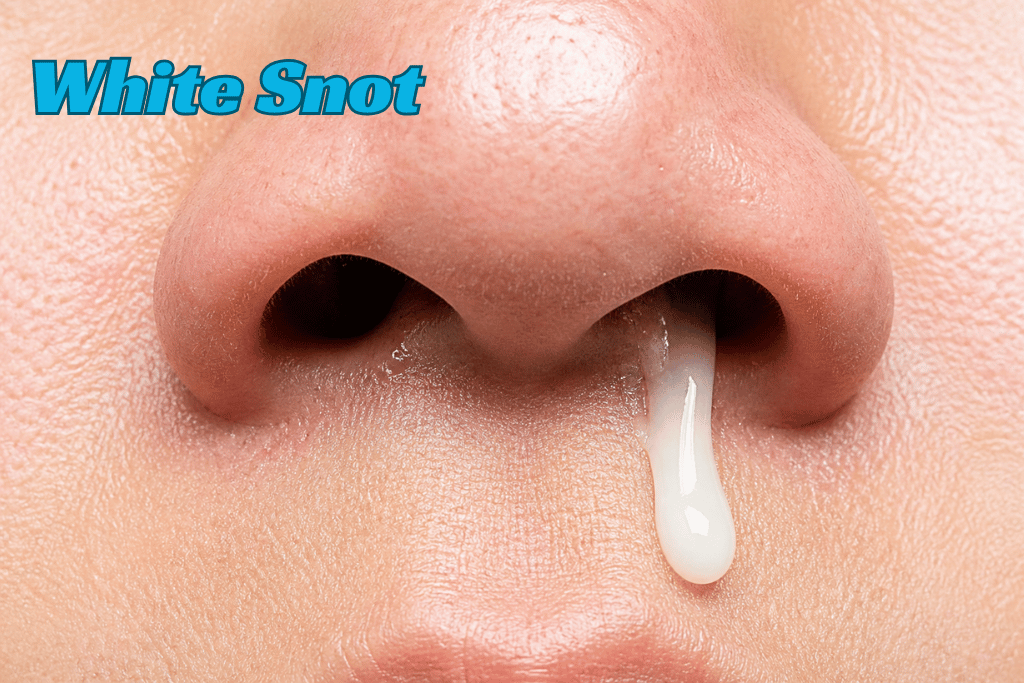
White snot is a common nasal symptom that almost everyone experiences at some point, yet it often raises questions and concerns. In most cases, this form of white nasal mucus is a normal response to the immune system, showing that your body is protecting itself from irritants, allergens, or mild infections.
However, it can also be linked to conditions such as colds, allergies, or sinus congestion, depending on accompanying symptoms. Understanding the meaning, causes, and management of white snot is important for maintaining good respiratory health and overall sinus health, helping you respond correctly and care for your body more effectively. This complete guide explains everything you need to know about white snot in a simple, clear, and practical way.
| Section | Key Information |
| What Is White Snot? | Antihistamines, decongestants, nasal sprays, hydration, rest, and humidifier use |
| Meaning | Common cold, allergies, sinus congestion, dehydration, dry air, or irritants |
| Causes | Common cold, allergies, sinus congestion, dehydration, dry air, or irritants |
| Symptoms | Nasal congestion, sneezing, headache, post-nasal drip, mild cough, itchy nose/throat |
| Treatments | Antihistamines, decongestants, nasal sprays, hydration, rest, and humidifier use |
| Home Remedies | Steam inhalation, warm fluids, saline rinse, honey & ginger, humidifier |
| Prevention Tips | Usually, a harmless condition is managed with home care, but persistent symptoms need medical attention |
| When to Seek Help | Symptoms >10–14 days, fever, severe sinus pain, foul mucus, breathing difficulty |
| Sinus Health | Healthy sinuses produce clear mucus; irritation leads to thick white mucus. Maintain hydration and cleanliness |
| Conclusion | Usually, a harmless condition is managed with home care, but persistent symptoms need medical attention |
What Is White Snot?
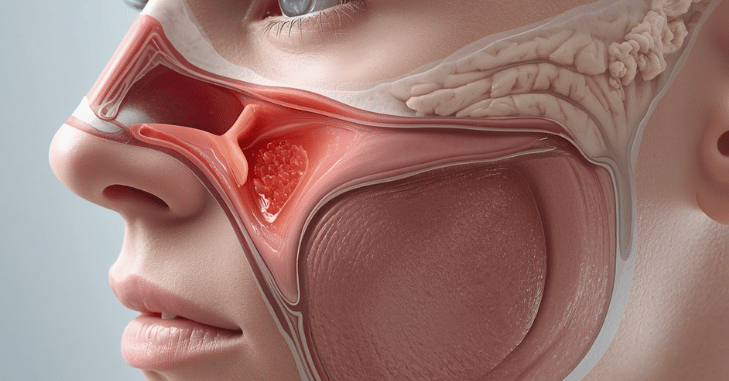
White snot is a type of nasal mucus that appears thick, cloudy, or whitish in color and is produced naturally by the nose and sinuses. This mucus plays an important role in protecting the respiratory system by trapping dust, bacteria, allergens, and other harmful particles before they enter deeper into the body.
Under normal conditions, mucus is clear and thin, but when it becomes white and thicker, it often indicates that the body is responding to irritation, dryness, or infection. In many cases, this change is a sign that the immune system is actively working to defend the body. Nasal mucus also helps keep the nasal passages moist, supports breathing comfort, and clears allergens from the airways, making it an essential part of overall respiratory health.
Meaning of White Snot
The color and consistency of mucus can provide important clues about your health. White snot usually indicates mild irritation or congestion in the nasal passages rather than a serious condition.
What White Mucus Usually Means
- Early stage of a cold or viral infection
- Mild sinus congestion or blockage
- Allergic reaction to dust, pollen, or smoke
- Dehydration leads to thicker mucus production.
- Exposure to dry air or environmental irritants
Causes
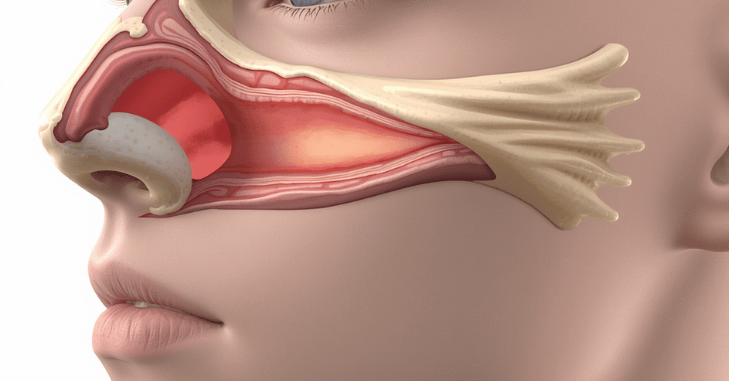
White nasal mucus can develop for several reasons. Most causes are mild and temporary, but understanding them can help you manage symptoms more effectively and support better nasal health.
Common Cold
A common cold, caused by a viral infection, often leads to swelling of the nasal lining and increased mucus production. In the early stages, the mucus may appear white and thick. As the infection progresses, it can later become clear or slightly yellow. This condition is usually accompanied by a sore throat, mild cough, or general fatigue.
Allergies
Allergic reactions are one of the most frequent causes of white snot. Triggers such as pollen, dust, smoke, or pet dander can irritate the nasal passages and cause inflammation. This leads to the production of thick, white mucus along with symptoms like sneezing, itchy eyes, and a runny or blocked nose.
Sinus Congestion
When the sinuses become blocked or inflamed, mucus can build up and thicken, often appearing white. This condition may cause noticeable pressure around the eyes, forehead, or cheeks. It can also make breathing through the nose difficult and may result in post-nasal drip, where mucus flows down the throat.
Dehydration
Not drinking enough fluids can reduce the body’s ability to produce thin, healthy mucus. As a result, mucus becomes thicker, stickier, and may appear white or cloudy. Common signs include a dry nose and throat, reduced mucus flow, and a sticky sensation in the nasal passages.
Dry Air or Irritants
Exposure to dry air, especially during cold weather or in heated indoor environments, can irritate and dry out the nasal passages. This often results in white or thick mucus along with symptoms such as nasal dryness, itching, and increased sensitivity to environmental factors.
Symptoms Associated with White Snot
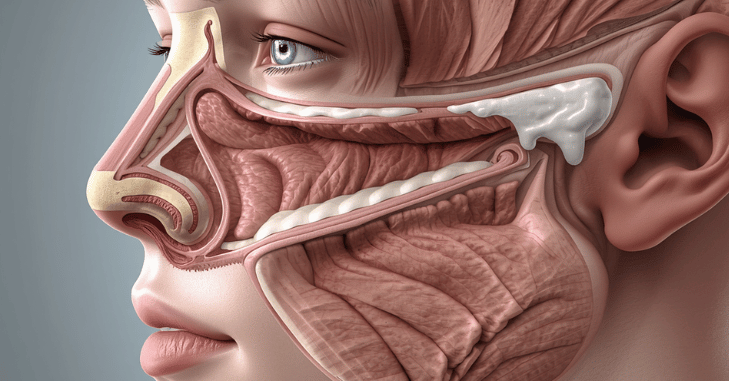
White mucus is usually accompanied by other mild symptoms depending on the cause.
Common Symptoms
- Nasal congestion
- Sneezing
- Mild headache or sinus pressure
- Post-nasal drip
- Slight cough
- Itchy nose or throat
When Symptoms May Worsen
- Persistent congestion
- Thick mucus for more than 10 days
- Increasing facial pressure
- Fever (in some infections)
Treatments for White Snot
Treatment for white snot depends on its underlying cause, and in most cases, simple home care is enough to relieve symptoms. If allergies are responsible, antihistamines can help reduce reactions, while decongestants are often used to relieve sinus blockage and improve breathing.
Nasal sprays may be recommended to reduce inflammation inside the nasal passages, and pain relievers can help ease sinus pressure or discomfort. Along with medical options, general care plays an important role in recovery. Staying well hydrated helps thin mucus, using a humidifier keeps the air moist and prevents nasal dryness, and getting adequate rest supports the immune system in fighting infections.
Home Remedies for White Snot

Home remedies can be very effective in relieving symptoms and improving nasal health.
Steam Inhalation
- Boil water and inhale steam carefully
- Add eucalyptus oil for better relief
- Repeat 1–2 times daily
Warm Fluids
- Herbal tea
- Warm water with honey
- Soup or broth
Saline Nasal Rinse
- Use a saline spray or a neti pot
- Flushes out irritants
- Reduces congestion
Honey and Ginger
- Soothes throat irritation
- Supports the immune system
- Helps reduce coughing
Humidifier Use
- Especially helpful in winter
- Reduces thick mucus formation
When to Seek Medical Help
White snot is usually harmless, but medical attention may be needed if symptoms persist or worsen. You should consult a doctor if symptoms last more than 10–14 days or if you experience severe sinus pain or pressure, high fever, thick mucus with a foul smell, difficulty breathing, or frequent sinus infections. These signs may indicate underlying conditions such as chronic sinusitis, a bacterial infection, severe allergies, or, in rare cases, nasal polyps.
Prevention Tips for White Snot

Preventing nasal issues involves maintaining healthy habits and avoiding triggers.
Daily Prevention Tips
- Drink plenty of water
- Maintain good indoor humidity
- Wash your hands regularly
- Avoid smoking and polluted air
- Keep allergies under control
Allergy Prevention
- Clean bedding frequently
- Use air purifiers
- Avoid exposure to dust and pollen
- Shower after outdoor activities
Lifestyle Habits
- Eat a balanced diet rich in vitamins
- Exercise regularly to support immunity
- Get adequate sleep
- Manage stress levels
White Snot and Sinus Health

Sinus health plays a major role in mucus production and overall breathing comfort. Healthy sinuses produce thin, clear mucus, while irritation or infection leads to thickened white discharge.
How to Maintain Healthy Sinuses
- Keep nasal passages hydrated
- Avoid allergens and pollutants
- Treat colds early
- Use saline rinses regularly
- Maintain a strong immune system
Conclusion
White snot is usually a harmless and temporary condition that reflects your body’s natural response to irritation, mild infections, or allergies. In most cases, it can be effectively managed with simple home care, proper hydration, and healthy lifestyle habits that support overall sinus health.
Understanding its causes, symptoms, and treatment options helps you respond early and prevent discomfort from worsening. However, if symptoms persist, become severe, or are accompanied by warning signs, seeking medical advice is important to rule out underlying conditions.
Want to know about Flu Symptoms UK: Complete Guide to Recognizing Signs, Duration Check out our HEALTH category.
FAQs
The typical duration of a cold is three to ten days. The mucus in your nose may turn white, yellow, or green after two or three days of symptoms.
You are typically battling a cold or other viral infection when your mucus becomes dense and appears white or creamy.
Mucus is usually transparent. It may turn green or yellow when you have an infection or a cold, according to Alyssa.
Frothy phlegm can be alarming, but white mucus is usually not. White mucus is typically the first sign of a disease.