
Foundation Waterproofing Cost
A strong, dry foundation is the backbone of every home. Without proper protection, water can seep through cracks, weaken concrete, cause mold growth, and ultimately compromise structural integrity. For this reason, foundation waterproofing cost is not just a preventive measure but a long-term investment in a property’s safety and value.
But how much does it cost? The short answer is that it varies—often between $2,000 and $15,000, depending on the method, labor, materials, and the severity of the issue. The long answer requires digging deeper into the details: interior vs. exterior waterproofing methods, the role of drainage systems, material quality, regional price fluctuations, and how these choices affect long-term savings. For a closer look at this, see Complete Guide to Price List.
This article provides an in-depth look at the costs associated with foundation waterproofing, covering both interior and exterior methods, materials, labor expenses, regional price differences, and the long-term savings homeowners can expect.
Understanding Foundation Waterproofing
Foundation waterproofing is the process of preventing water from entering the foundation of a home. This is crucial in areas prone to heavy rainfall, flooding, or high groundwater levels. There are two primary methods of waterproofing: interior and exterior.
Interior Waterproofing
Interior waterproofing involves applying materials and techniques to prevent water from seeping into the basement or crawl space from within. This method typically includes:
- Sealants and Coatings: These are applied to walls and floors to create a moisture barrier.
- Drainage Systems: Interior drainage systems, such as French drains, help redirect water away from the foundation.
- Sump Pumps: These are installed to pump out any water that may accumulate in the basement.
Exterior Waterproofing
Exterior waterproofing addresses the problem at its source by preventing water from reaching the foundation. This method includes:
- Excavation: The soil around the foundation is excavated to allow for the application of waterproofing materials directly to the foundation walls.
- Waterproof Membranes: These are applied to the exterior of the foundation to create a barrier against moisture.
- Grading and Drainage Solutions: Proper grading of the landscape and the installation of drainage systems help divert water away from the foundation.
Cost Breakdown of Waterproofing Methods
The costs associated with foundation waterproofing can vary significantly based on the method used, materials required, and labor expenses. Below is a detailed breakdown of these costs.
Interior Waterproofing Costs
| Item | Estimated Cost |
| Sealants and Coatings | $0.50 to $2.00 per square foot |
| Interior Drainage System | $1,500 to $5,000 |
| Sump Pump Installation | $1,000 to $3,500 |
| Total Estimated Cost | $2,500 to $10,500 |
Interior waterproofing costs range from $2,500 to $10,500, depending on the specific solutions implemented and the size of the area being treated.
Exterior Waterproofing Costs
| Item | Estimated Cost |
| Excavation | $1,000 to $5,000 |
| Waterproof Membranes | $2.00 to $4.00 per square foot |
| Grading and Drainage Solutions | $1,500 to $3,500 |
| Total Estimated Cost | $5,000 to $15,000 |
Exterior waterproofing is generally more expensive, with total costs ranging from $5,000 to $15,000, reflecting the complexity of the work involved.
Factors Influencing Costs
Several factors can influence the overall cost of foundation waterproofing, including:
1. Size of the Area
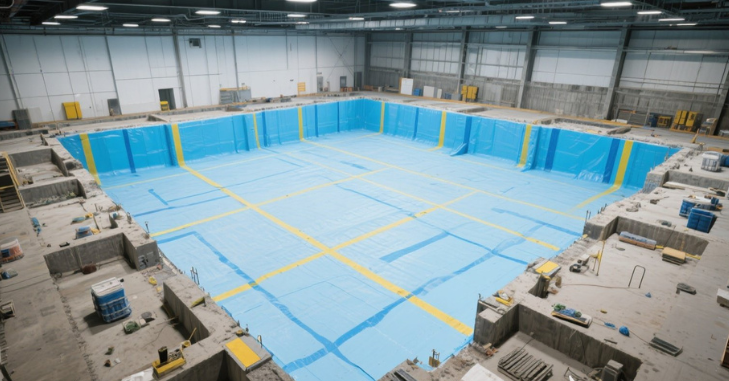
The larger the foundation area that needs waterproofing, the higher the cost. The size will dictate the amount of materials required and the labor needed to complete the job.
2. Type of Waterproofing Method
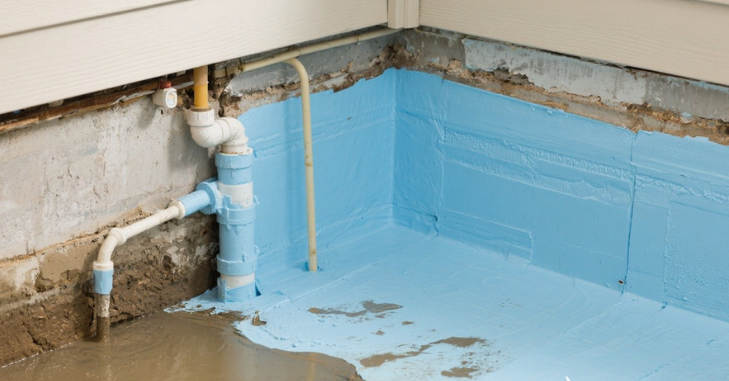
As outlined above, interior methods are typically less expensive than exterior methods. Homeowners should choose the process based on the severity of the water issue and their budget.
3. Material Quality

The quality of materials used can significantly affect costs. Higher-quality sealants and membranes may have a higher upfront cost but can offer better long-term protection.
4. Labor Costs
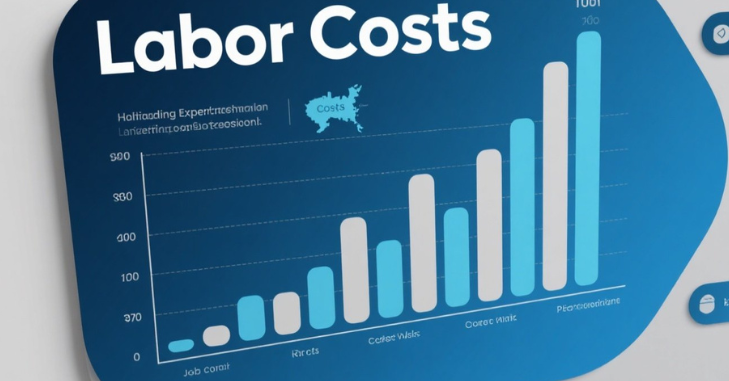
Labor costs can vary by region and the complexity of the job. Hiring experienced professionals may cost more, but it can ensure the work is done correctly, thereby reducing the risk of future problems.
5. Geographic Location
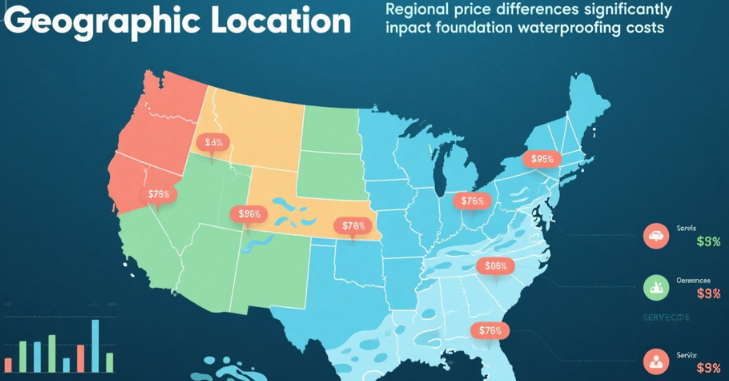
Regional price differences can significantly impact the overall cost of foundation waterproofing. Areas prone to flooding or heavy rainfall may experience a higher demand for waterproofing services, resulting in increased prices.
Regional Price Differences
The cost of foundation waterproofing can vary significantly based on geographic location. Here’s a general overview of average costs in different regions of the United States:
| Region | Average Cost Range |
| Northeast | $6,000 to $15,000 |
| Midwest | $4,000 to $12,000 |
| South | $3,000 to $10,000 |
| West | $5,000 to $14,000 |
As shown in the table, regions with higher rainfall or flooding risks, such as the Northeast and West, tend to have higher average costs for waterproofing.
Long-Term Savings for Homeowners
While the initial cost of foundation waterproofing may seem steep, homeowners can expect significant long-term savings. Here are some of the financial benefits:
1. Reduced Repair Costs
Water intrusion can lead to severe structural damage, requiring costly repairs. By waterproofing the foundation, homeowners can mitigate these risks and avoid expensive repairs down the line.
2. Increased Property Value
A well-maintained, waterproof foundation enhances the overall value of a home. Potential buyers are more likely to invest in properties with proven waterproofing solutions, making it a worthwhile investment for homeowners.
3. Lower Energy Bills
Moisture in the foundation can lead to increased humidity levels in the home, making heating and cooling systems work harder. By keeping the foundation dry, homeowners can enjoy lower energy bills.
4. Insurance Savings
Some insurance companies may offer discounts for homes with waterproofed foundations, recognizing the reduced risk of water damage claims. Homeowners should check with their insurance providers to see if there are any potential savings available.
Additional Considerations
- Foundation Type: Slab foundations are generally cheaper to waterproof than full basements.
- Existing Damage: The more advanced the problem, the more expensive the solution.
- Drainage Upgrades: Sometimes, waterproofing requires upgrading gutters, downspouts, or landscaping to redirect water away from the home.
- Warranties: Reputable contractors often provide warranties of 10–25 years, adding value to the investment.
Conclusion
Foundation waterproofing is a crucial investment for homeowners looking to protect their properties from water damage. Understanding the costs associated with both interior and exterior methods, as well as the factors that influence these costs, can help homeowners make informed decisions about their home improvement projects.
While the initial expense may be significant, the long-term savings and benefits of maintaining a dry, stable foundation can far outweigh the costs. With proper planning and execution, homeowners can ensure the longevity and value of their homes while enjoying peace of mind against water intrusion.
Want to know about Elegant and Functional White Floating Shelves: A Perfect Storage Solution Check out our Home Improvement category.
FAQs
Long-term benefits include reduced repair costs, increased property value, lower energy bills, and potential insurance savings. Waterproofing can help maintain a safe and dry living environment.
The longevity of waterproofing solutions varies depending on the method and materials used. Properly installed exterior waterproofing can last for many years, while interior methods may require more frequent maintenance.
While homeowners can handle some minor waterproofing tasks by applying sealants, more complex methods like excavation and drainage installation are best left to professionals.
Signs that your foundation may need waterproofing include water stains on walls, musty odors, visible mold, cracks in the foundation, and pooling water around the foundation.