

Chest pain in females can be alarming because it is often associated with serious heart conditions, but in many cases, the cause is actually muscular rather than cardiac. One common and often overlooked issue is a chest muscle strain, which occurs when the muscles in the chest wall are overstretched or torn due to physical activity, poor posture, or sudden movement.
Understanding this condition is important because its symptoms can closely mimic other health problems, leading to unnecessary anxiety. The symptoms of a pulled chest muscle in Females typically include localized chest pain that worsens with movement, tenderness when touching the affected area, muscle tightness, and discomfort during activities such as lifting or deep breathing.
In some cases, swelling or mild bruising may also be present, and the pain may feel more diffuse due to breast tissue covering the chest muscles. This article provides a detailed overview of the symptoms of a pulled chest muscle in females, along with its causes, risk factors, diagnosis, treatment, and prevention strategies to help women better understand and manage this condition.
| Topic | Key Points |
| Overview | Chest pain in females often comes from muscle strain, not heart disease |
| Symptoms | Pain, tenderness, tightness, swelling, discomfort with movement |
| Pain Type | Sharp, aching, or stabbing pain that worsens with activity |
| Causes | Exercise, sudden movement, poor posture, coughing, injury |
| Risk Factors | Weak muscles, no warm-up, sedentary lifestyle, aging muscles |
| Muscle Grades | Grade 1 (mild), Grade 2 (partial tear), Grade 3 (complete tear) |
| Diagnosis | Physical exam, medical history, and imaging tests if required |
| Treatment | Rest, ice therapy, medications, heat, physiotherapy |
| Home Care | Hydration, warm showers, proper sleep, gentle care |
| Exercises | Chest stretch, shoulder rolls, light resistance training |
| Recovery Time | Mild: 1–2 weeks, Moderate: 3–6 weeks, Severe: 6–12+ weeks |
| Prevention | Warm-up, posture correction, proper technique, support wear |
| Female Factors | Breast tissue overlap, hormonal changes, and bra support issues |
| Emotional Impact | Anxiety, panic attacks, and health-related overthinking |
| Warning Signs | Severe pain, breathing difficulty, no improvement, spreading pain |
| Outcome | Usually fully recoverable with proper rest and treatment |
Symptoms of a Pulled Chest Muscle in Females
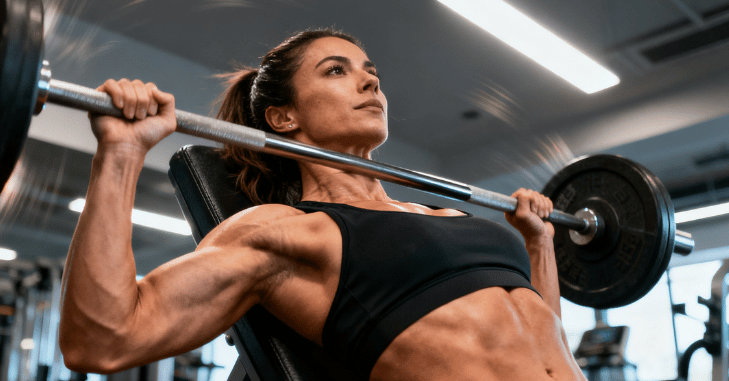
Symptoms of a pulled chest muscle in females can vary in intensity depending on the severity of the strain, but they usually involve noticeable discomfort in the chest wall area rather than internal organs. One of the most common signs is a sharp or aching pain in the chest, which often worsens with movement, lifting, stretching, or even deep breathing. Many females also experience localized tenderness, where pressing on a specific area of the chest increases the pain, making it easier to identify the muscle involvement.
In addition, there may be muscle tightness, stiffness, or spasms, which can restrict normal upper body movement and make everyday activities uncomfortable. In moderate to severe cases, symptoms may include swelling, mild bruising, or weakness in the chest and arms, especially when trying to push or lift objects.
Because the chest area in females includes breast tissue, the pain may sometimes feel deeper or more widespread, leading to confusion with breast-related issues or even anxiety about heart problems. Overall, symptoms of a pulled chest muscle in females are typically movement-related, reproducible with touch, and improve with rest, helping distinguish it from more serious medical conditions.
Understanding Chest Muscle Anatomy in Females
To fully understand a pulled chest muscle, it’s important to know the key muscles involved:
- Pectoralis Major: The large muscle covering the upper chest, responsible for arm movement and strength
- Pectoralis Minor: Located beneath the major, it helps stabilize the shoulder
- Intercostal Muscles: Situated between the ribs, assisting in breathing
In females, breast tissue overlies these muscles, which can sometimes make it harder to determine whether the pain is muscular or related to other structures.
What Is a Muscle Strain?

A muscle strain occurs when muscle fibers are stretched beyond their normal limit or torn. This can happen suddenly due to a single forceful movement or gradually over time because of repeated stress and overuse. The severity of a muscle strain is commonly classified into different grades based on the extent of damage.
A Grade 1 (mild) strain involves slight overstretching of muscle fibers with minimal pain and little to no loss of strength. A Grade 2 (moderate) strain includes partial tearing of the muscle, leading to noticeable pain, swelling, and reduced movement or strength.
In more severe cases, a Grade 3 (severe) strain occurs when the muscle is completely torn, resulting in intense pain, significant bruising, swelling, and a complete loss of muscle function.
Detailed Symptoms of a Pulled Chest Muscle in Females

1. Localized Chest Pain
- Pain is usually confined to a specific spot in the chest
- May feel sharp, stabbing, or dull and aching
- Often worsens when pressure is applied
2. Pain That Increases with Movement
- Lifting arms, pushing, or pulling can intensify discomfort
- Twisting the torso may trigger sharp pain
- Even simple actions like getting out of bed may hurt
3. Pain During Deep Breathing
- Deep inhalation stretches chest muscles, causing discomfort
- Unlike lung-related pain, this is muscular and position-dependent
4. Muscle Tenderness
- The affected area is sensitive to touch
- Pressing on the muscle reproduces the pain
5. Swelling and Inflammation
- Mild to moderate swelling may develop
- The area can feel warm due to inflammation
6. Bruising or Discoloration
- Appears in more severe strains
- Indicates small blood vessel damage within the muscle
7. Muscle Tightness and Stiffness
- The chest may feel tight or restricted
- Reduced flexibility in upper body movements
8. Muscle Spasms
- Sudden, involuntary contractions
- Can cause sharp, temporary pain
9. Weakness in Arms and Upper Body
- Difficulty lifting objects
- Reduced strength when pushing or pulling
10. Audible “Pop” Sensation
- In severe cases, a popping sound or feeling occurs at the time of injury
Female-Specific Considerations

| Female-Specific Factor | Explanation |
| Overlapping Breast Pain | Because breast tissue covers chest muscles, pain from a muscle strain may feel deeper or more diffuse and can be mistaken for breast-related conditions |
| Hormonal Sensitivity | Hormonal changes during the menstrual cycle can increase pain sensitivity, making symptoms feel more intense at certain times |
| Bra Support and Muscle Strain | Poorly fitted bras can contribute to muscle strain, and a lack of proper support during physical activity increases the risk |
Common Causes in Females
Physical Exercise and Fitness
- Weightlifting (bench press, chest flies)
- Push-ups or planks
- Sudden increase in workout intensity
Daily Activities
- Lifting heavy grocery bags
- Carrying children
- Repetitive household tasks
Poor Posture
- Slouching while sitting or using devices
- Rounded shoulders place stress on chest muscles
Sudden Movements
- Abrupt twisting or reaching
- Jerky arm motions
Persistent Coughing
- Chronic coughing strains the chest and rib muscles
Injury or Trauma
- Falls or accidents
- Direct impact on the chest
Risk Factors

Certain factors can increase the likelihood of developing a pulled chest muscle, particularly when the body is not adequately prepared for physical activity. For example, skipping a proper warm-up before exercise can leave muscles stiff and more prone to injury.
Weak upper body muscles also contribute to a higher risk, as they are less capable of handling strain or sudden movements. Individuals who lead a sedentary lifestyle and then engage in sudden or intense activity are especially vulnerable to muscle pulls. Additionally, poor ergonomics at work, such as incorrect sitting posture or workstation setup, can place continuous stress on chest muscles.
A history of previous muscle injuries may further weaken the area, making it easier to re-injure, while aging muscles naturally lose flexibility and resilience, increasing the chances of strain.
How Pain Progresses Over Time?
Initial Stage (First 24–48 Hours)
- Sharp pain at the moment of injury
- Swelling and tenderness begin
Subacute Stage (3–7 Days)
- Pain becomes more noticeable with movement
- Bruising may appear
Recovery Stage (1–6 Weeks)
- Pain gradually decreases
- Strength and flexibility return
Differentiating from Other Conditions

Muscle Strain vs Heart Problem
Muscle Strain
- Pain is localized
- Triggered by movement or touch
- Improves with rest
Heart-Related Issue
- Pressure-like pain
- Radiates to the arm, jaw, or back
- Accompanied by nausea, sweating, or dizziness
Muscle Strain vs Costochondritis
- Costochondritis involves inflammation of the rib cartilage
- Pain is closer to the breastbone and may persist longer
Diagnosis and Medical Evaluation
Diagnosis of a pulled chest muscle typically involves several steps. During a physical examination, the doctor checks for tenderness in the affected area and evaluates the range of motion to identify any limitations or pain during movement. This is usually followed by a review of the patient’s medical history.
The doctor asks about recent physical activities, injuries, or any incidents that may have caused the strain. If further evaluation is needed, imaging tests may be recommended. An X-ray is often used to rule out fractures or bone-related issues, while more advanced imaging, such as an MRI or ultrasound, can help detect muscle tears and assess the severity of the injury.
Treatment and Management
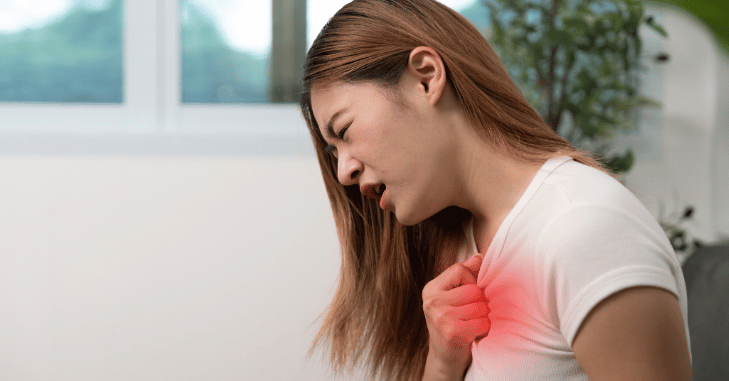
Immediate care during the first 48 hours after a pulled chest muscle is crucial for reducing pain and preventing further injury. Rest is essential, so it is important to avoid any movements or activities that trigger discomfort or strain the affected area.
Ice therapy can be very effective in minimizing swelling and pain; applying ice packs to the injured area for 15 to 20 minutes every few hours is recommended. In some cases, light compression or support may also help reduce swelling and provide stability, but it should be used carefully to avoid restricting movement too much.
Ongoing Treatment
Pain Relief
- Over-the-counter medications as advised
Heat Therapy
- Applied after swelling reduces to relax muscles
Gentle Stretching
- Improves flexibility and prevents stiffness
Physical Therapy
- Strengthens muscles and speeds recovery
Home Remedies for Faster Recovery
- Warm showers to relax muscles
- Turmeric milk for inflammation (traditional remedy)
- Adequate hydration
- Proper sleep to support healing
Exercises for Rehabilitation

Rehabilitation exercises can help restore strength and flexibility after a pulled chest muscle, but they should only be started once the pain has subsided. A simple chest stretch can be done by standing in a doorway and gently stretching the arms outward to open up the chest muscles.
Shoulder rolls are another effective movement that helps improve mobility and reduce stiffness in the upper body. Additionally, light resistance training can be introduced gradually to rebuild strength and support recovery. It is important to progress slowly and avoid overexertion to prevent re-injury.
Recovery Timeline
Recovery time for a pulled chest muscle varies depending on the severity of the strain. A mild strain typically heals within 1 to 2 weeks with proper rest and care. In cases of moderate strain, recovery may take around 3 to 6 weeks as the muscle needs more time to repair.
Severe strains, which may involve a complete tear, can take 6 to 12 weeks or even longer to fully heal. Overall, the speed and success of recovery largely depend on proper treatment, adequate rest, and avoiding any activities that could cause re-injury.
When to Seek Medical Attention?
Consult a doctor if you experience:
- Severe or worsening pain
- Difficulty breathing
- Pain spreading to other areas
- No improvement after several days
- Visible deformity or severe bruising
Prevention Strategies

| Prevention Strategy | Description |
| Warm-Up and Stretching | Prepare muscles before any physical activity to reduce the risk of strain |
| Maintain Good Posture | Keep your shoulders aligned and your back straight to avoid unnecessary stress on chest muscles |
| Use Proper Techniques | Follow correct form and technique, especially during workouts |
| Gradual Progression | Avoid sudden increases in physical activity; build intensity slowly |
| Wear Proper Support | Use well-fitted bras during exercise to provide adequate chest support |
Psychological Impact of Chest Pain in Females
Chest pain can often trigger significant anxiety, particularly because many people immediately associate it with serious heart problems. This fear can escalate emotional distress and may lead to panic attacks, where a person experiences rapid heartbeat, shortness of breath, and a sense of impending danger.
In addition, ongoing worry about the cause of the pain can result in stress-related symptoms such as fatigue, restlessness, and difficulty concentrating. Many individuals may also begin to overthink their health, constantly fearing the worst despite having a non-serious condition.
However, understanding that the pain may be due to a muscular issue, such as a pulled chest muscle, can play a crucial role in easing these concerns and reducing unnecessary worry.
Long-Term Outlook

Most pulled chest muscles heal completely with proper care. However:
- Ignoring symptoms can delay recovery
- Repeated strain may lead to chronic issues
- Strengthening exercises help prevent recurrence
Conclusion
A pulled chest muscle in females is a common yet often misunderstood condition that can easily be mistaken for serious heart-related problems due to its location and the nature of pain. However, in most cases, it is caused by muscle strain from physical activity, poor posture, sudden movements, or overuse of the chest muscles.
With appropriate rest, ice therapy, gradual rehabilitation, and preventive measures like proper posture and warm-up routines, most individuals recover fully without complications. Overall, awareness of the symptoms of a pulled chest muscle in females, along with its causes and management strategies.
If you want to read an interesting article about it, explore our fitness category.
FAQs
The main symptom is localized chest pain that worsens with movement, lifting, or deep breathing.
Yes, it can feel similar, which is why many people confuse it with heart-related issues, but it usually worsens with movement or touch.
Mild cases heal in 1–2 weeks, moderate cases in 3–6 weeks, and severe strains may take 6–12 weeks or more.
Rest, ice therapy, pain relief medications, gentle stretching, and physiotherapy are the most effective treatments.
A doctor should be consulted if there is severe pain, breathing difficulty, no improvement, or pain spreading to other areas.