
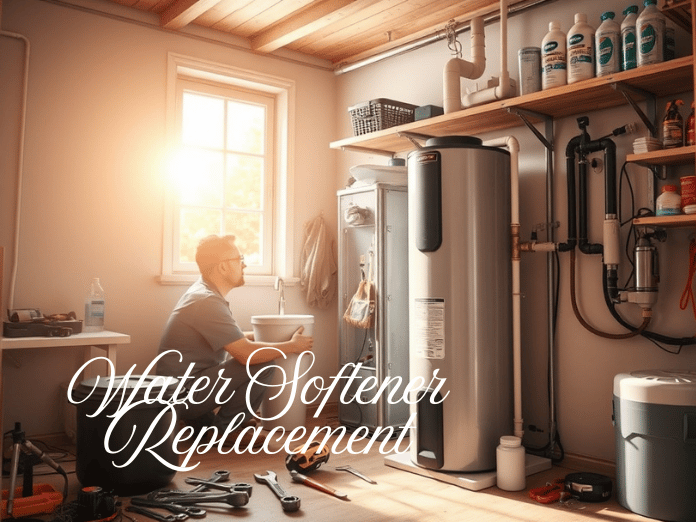
Consider Water Softener Replacement
A water softener replacement is an essential consideration for any homeowner looking to maintain high-quality water throughout their home. Over time, water softeners and filtration systems can lose efficiency due to mineral buildup, worn-out components, or outdated technology. Regular replacement ensures optimal water quality and taste, reduces mineral deposits in pipes and appliances, protects skin and hair from the negative effects of hard water, and increases the lifespan of water-using appliances.
Recognizing the signs that indicate the need for a water softener replacement, such as water spots on dishes, reduced water pressure in faucets or showers, unusual tastes or odors, and frequent appliance descaling, can prevent costly repairs and maintain a consistent flow of clean, soft water.
| System / Filter Type | Key Benefit | Estimated Cost |
| Water Softener Replacement | Softer skin and hair, reduces chlorine | $20–$50 |
| Multi-Stage Shower Filter | Enhanced contaminant removal | $70–$150 |
| Salt-Based Whole-Home Softener | Excellent mineral removal, reduces scale | $600–$2,500 |
| Salt-Free Whole-Home Softener | Eco-friendly, low-maintenance | $500–$2,000 |
| Dual-Tank Whole-Home Softener | Continuous soft water, ideal for large homes | $1,500–$4,000 |
| Reverse Osmosis (Under Sink) | High-purity water removes minerals & contaminants | $200–$500 |
| UV Water Filter System | Kills bacteria and viruses, chemical-free | $400–$1,200 |
Types of Water Softener Systems
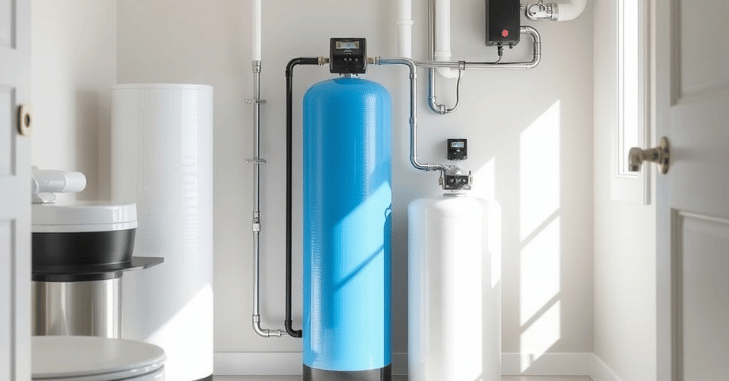
Water softeners remove minerals like calcium and magnesium from water. Choosing the right type depends on your household needs and budget.
Salt-Based Water Softeners
Salt-based systems are the most common and highly effective at removing hard water minerals.
Benefits
- Excellent mineral removal
- Reduces scale buildup in pipes and appliances
- Compatible with whole-home systems
Drawbacks
- Requires regular salt refills
- Can increase the sodium content in water
Salt-Free Water Softeners
Salt-free systems use template-assisted crystallization or other methods to reduce mineral effects without adding sodium.
Benefits
- Eco-friendly and low-maintenance
- Does not increase sodium levels
- Reduces scale buildup
Drawbacks
- Less effective at removing hardness
- May not work for very hard water
Dual-Tank Water Softeners
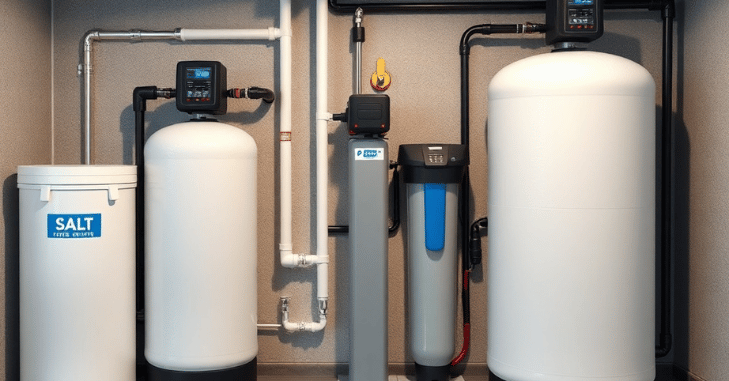
Dual-tank or twin-tank systems are ideal for large households or homes with very hard water. While one tank regenerates, the other provides continuous soft water.
Benefits
- Continuous supply of soft water
- Ideal for heavy water usage
- Longer lifespan compared to single-tank systems
Drawbacks
- Higher upfront cost
- Larger installation footprint
Shower Water Softener Systems

Shower-Specific Water Softeners and Filters
Shower-specific water softeners and filters are designed to improve skin and hair health while reducing soap scum and mineral buildup. These systems provide targeted treatment at the point of use, making daily showers more comfortable and beneficial for your hair and skin. Investing in a water softener replacement for your shower can significantly improve water quality, especially in areas with hard water.
Types of Shower Water Filters
There are several types of shower filters available, each with unique benefits. Carbon filters help remove chlorine, odors, and some sediment, improving water taste while reducing skin irritation.
Vitamin C filters neutralize chlorine and chloramines, which is especially beneficial for sensitive skin and hair. Additionally, combination filters use multiple technologies together, providing enhanced water quality and comprehensive protection against contaminants.
Benefits of Shower Filters
Installing a shower filter as part of your water softener replacement plan provides several advantages. It promotes softer and smoother skin and hair, reduces irritation caused by chlorine and minerals, and enhances the overall showering experience. These filters are generally easy to install and require minimal maintenance, making them a practical and cost-effective solution for improving water quality in your bathroom.
Cost Estimates for Shower Filters
The cost of shower filters varies depending on the type and technology used. Basic shower filters are available for around $20 to $50, making them an affordable first step in water softener replacement.
Advanced multi-stage filters, which offer more comprehensive contaminant removal, typically range from $70 to $150. Replacement cartridges, which need to be changed every 3 to 6 months, usually cost between $15 and $50, ensuring consistent water quality over time.
Whole-Home Water Softener Systems
Whole-home water softeners treat water at the point of entry, supplying softened water to every faucet, shower, and appliance.
Key Features
- Regenerates automatically (salt-based)
- Reduces scale buildup in pipes, water heaters, and appliances
- Customizable based on household size and water hardness
Average Costs
- Salt-based system: $600–$2,500 installed
- Salt-free system: $500–$2,000 installed
- Dual-tank system: $1,500–$4,000 installed
Maintenance Tips
- Refill salt (for salt-based systems) every 4–6 weeks
- Clean the resin tank annually
- Replace pre-filters as recommended (usually every 3–6 months)
Filter Options and Media
Water filters are essential for removing contaminants such as chlorine, sediment, heavy metals, and bacteria, ensuring clean and safe water for your home. Choosing the right filter depends on your water source and the quality of water you desire.
There are several common types of filters available to suit different needs. Sediment filters are designed to remove dirt, sand, and rust, protecting your plumbing and appliances. Activated carbon filters improve the taste of water while removing chlorine and volatile organic compounds (VOCs).
Reverse osmosis (RO) filters are highly effective at removing minerals, salts, and most other contaminants.
Cost of Replacement & Installation

Factors Influencing Cost
- Type of water softener or filter system
- Size of home and number of bathrooms
- Water hardness levels and contaminant types
- Labor fees for installation and plumbing modifications
Estimated Costs
| System Type | Replacement/Installation Cost |
| Basic Shower Filter | $20–$50 |
| Multi-Stage Shower Filter | $70–$150 |
| Salt-Based Whole-Home Softener | $600–$2,500 |
| Salt-Free Whole-Home Softener | $500–$2,000 |
| Dual-Tank Whole-Home Softener | $1,500–$4,000 |
| Reverse Osmosis (under sink) | $200–$500 |
| UV Water Filter System | $400–$1,200 |
Maintenance Tips for Longevity
Proper maintenance ensures your water softener or filter system performs efficiently and lasts longer.
Essential Maintenance Steps
- Monitor salt levels and refill regularly (salt-based systems)
- Clean resin and brine tanks annually
- Replace pre-filters and carbon filters as scheduled
- Check for leaks, corrosion, or unusual noises
- Schedule a professional inspection every 1–2 years
DIY Tips
- Use a soft cloth to wipe exterior surfaces
- Avoid using harsh chemicals inside the tanks
- Flush sediment filters occasionally to prevent clogging
Signs You Need a Replacement

Even with proper maintenance, water softeners and filters eventually require replacement. Signs that indicate it’s time for a water softener replacement include a noticeable decrease in water softness, increased buildup on faucets, dishes, and appliances, and a strange taste or odor in the water.
Frequent repairs or recurring filter issues are also strong indicators that the system is no longer functioning efficiently. Additionally, the age of the system should be considered, as most water softeners and filters last between 10 to 15 years. Replacing the system promptly through a proper water softener replacement ensures consistent water quality, protects plumbing, and helps prevent costly damage to appliances and pipes.
Energy and Environmental Considerations
Modern water softeners and filters can be energy-efficient and eco-friendly:
- Salt-Free Systems: Reduce sodium discharge into the environment
- High-Efficiency Systems: Use less water for regeneration
- Recyclable Filters: Some filter cartridges are recyclable
- Low-Waste UV Systems: Use minimal electricity for microbial control
Investing in sustainable options may have a slightly higher upfront cost but offers long-term environmental and operational benefits.
Conclusion
Investing in a water softener replacement or upgrading your home’s filtration system is a crucial step in maintaining clean, safe, and soft water throughout your household. Whether you opt for a shower-specific filter, a whole-home water softener, or advanced reverse osmosis and UV filtration systems, choosing the right solution ensures optimal water quality, protects plumbing and appliances from scale and mineral damage, and enhances daily comfort for your family.
Understanding the different types of water softeners, filter options, costs, and maintenance requirements allows homeowners to make informed decisions, budget effectively, and avoid unexpected repairs.
Want to know about Everything You Should Know About Hardwood Floor Installation Check out our Home Improvement category.
FAQs
If water softeners are properly cared for and maintained regularly, they can function at their best for eight to twelve years.
Installing a water softener usually costs between $500 and $3,000.
If you are worried about the amount of sodium in your water, water conditioners are the ideal substitute for a water softener.