
Basements are often the most underutilized areas of a home, tucked away and forgotten, but they have enormous potential to enhance both comfort and value. When properly finished and insulated, a basement can become a cozy living area, a productive home office, a home gym, or even a rental suite, all while improving your home’s energy efficiency.
One of the most effective ways to achieve this transformation is by insulating basement walls. Proper insulation helps maintain a consistent temperature year-round, prevents heat loss during winter, and keeps the space cool in summer. It also acts as a barrier against moisture, mold, and mildew, common challenges in below-ground spaces.
In this comprehensive guide, we’ll explore the top materials, techniques, and step-by-step methods to create a well-insulated, energy-efficient, and comfortable basement that adds both function and value to your home.
| Catagory | Key Points |
| Why Insulate | Insulating basement walls improves comfort, saves energy, controls moisture, prevents mold, and increases home value |
| Materials | Rigid Foam, Spray Foam, Fiberglass, Mineral Wool |
| Steps | Prep → Frame → Insulate → Vapor Barrier → Finish |
| Efficiency Tips | Seal gaps, insulated doors, radiant floors, ventilation |
| Moisture Protection | Grading, gutters, sump pump, waterproof coating |
| Cost | Rigid Foam $1–3, Spray Foam $2–5, Fiberglass/Mineral Wool $0.5–2, labor varies |
| Benefits | Comfort, savings, moisture control, noise reduction, value, durability |
| Common Mistakes | Ignore moisture, skip vapor barrier, gaps, wrong material, poor sealing |
| DIY vs Pro | DIY: cheaper, flexible; Pro: expert, faster, guaranteed |
What are Insulating Basement Walls?
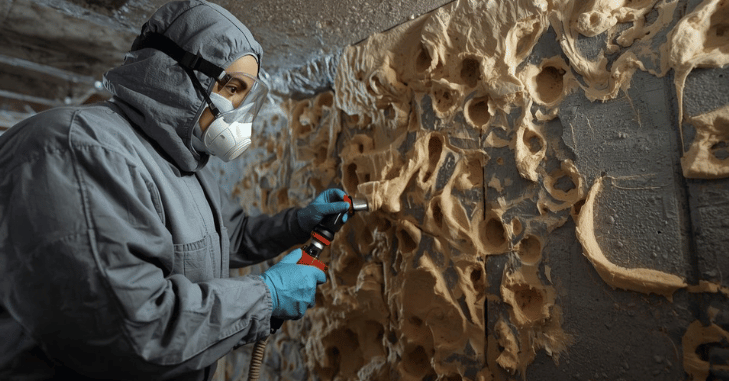
Insulating basement walls involves adding a layer of thermal protection to the walls of a basement to reduce heat loss, prevent moisture intrusion, and improve overall energy efficiency.
This process can include installing materials such as rigid foam boards, spray foam, fiberglass batts, or mineral wool directly on the walls or within framed walls. Proper insulation not only keeps the basement warmer and more comfortable but also helps maintain consistent temperatures throughout the home, lowers heating and cooling costs, and protects the structure from mold and water damage.
Why Insulating Basement Walls Is Important
. Homeowners underestimate the importance of basement insulation. Uninsulated basements can lead to
- Cold floors and walls make the living space uncomfortable.
- High energy bills are due to your HVAC system working harder to maintain indoor temperatures.
- Moisture problems, including mold and mildew growth.
- Structural damage if water seeps into the foundation walls.
- Reduced home value, as uninsulated basements are less appealing to buyers.
- Creates a warmer and more comfortable living space.
- Improves energy efficiency and reduces heating/cooling costs.
- Helps prevent moisture-related issues
Choosing the Right Insulation Material
Rigid Foam Board
- Provides high R-values per inch.
- Resistant to moisture and mold.
- Ideal for finishing walls or as a vapor barrier.
Spray Foam Insulation
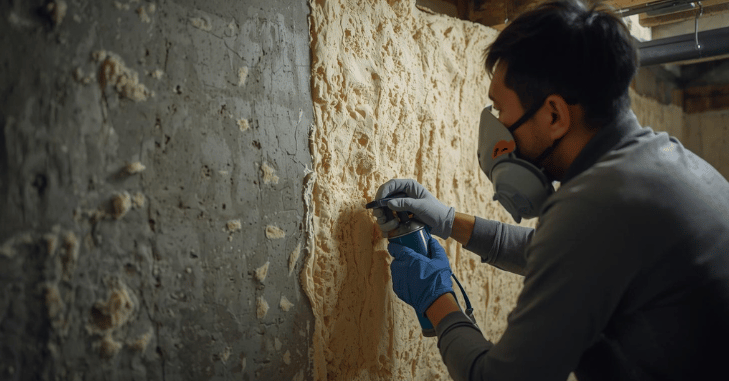
- Expands to fill cracks and gaps.
- Provides excellent air sealing.
- It can be more expensive but highly effective in preventing heat loss.
Fiberglass Batts
- Affordable and widely available.
- Must be installed with a moisture barrier to prevent mold.
- Suitable for framed basement walls.
Mineral Wool

- Fire-resistant and moisture-tolerant.
- Excellent soundproofing properties.
- Slightly more expensive than fiberglass, but durable.
Step-by-Step Methods to Insulate Basement Walls
Whether your basement is finished or unfinished, there are different approaches to insulating walls effectively. Following a structured process ensures maximum comfort, energy efficiency, and moisture protection.
Prepare the Basement
Before installing insulation, it’s essential to prepare the basement properly. Begin by inspecting all walls for moisture, including leaks, cracks, or damp spots. Any issues should be repaired using sealants or waterproofing solutions to prevent future damage.
Framing the Walls
Framing provides the structure needed to hold insulation in place, particularly in finished basements. Use pressure-treated wood studs to avoid rot and maintain a small gap of about half an inch between the studs and the concrete walls to allow airflow. Ensure that the studs are plumbing and securely anchored to both the floor and ceiling.
Install Insulation Material
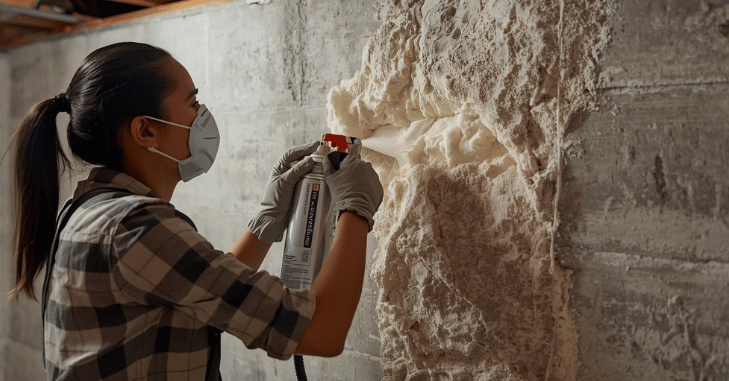
The method of installation depends on the type of insulation you choose. For rigid foam boards, cut panels to fit either between studs or directly against concrete walls, then secure them with construction adhesive or foam fasteners. Seal all seams using tape or spray foam to maintain an airtight barrier.
Adding a Vapor Barrier
Moisture control is critical when insulating basements. Install a plastic sheeting vapor barrier over the walls before adding drywall to prevent moisture from seeping through. Seal all edges with tape or caulk to ensure full protection. In areas prone to high humidity, it is advisable to use moisture-resistant drywalls, such as green board or cement board, which adds an extra layer of defense against mold and water damage.
Finishing the Walls
Once insulating basement walls and moisture protection are in place, finishing the walls improves both functionality and aesthetics. Drywall or paneling can be installed over the insulation to create a clean, polished look. Painting with mold-resistant paint adds an extra layer of protection against humidity, ensuring your basement remains comfortable, healthy, and durable.
Tips to Boost Comfort and Energy Efficiency
- Seal cracks and gaps: Use caulk or spray foam around windows, pipes, and vents.
- Install insulated doors: Basement doors should have weather stripping and insulation.
- Use radiant floor heating: Helps maintain a warm basement floor without excessive energy use.
- Ventilate properly: Combine insulation with proper ventilation to prevent condensation and maintain indoor air quality.
Preventing Moisture Damage
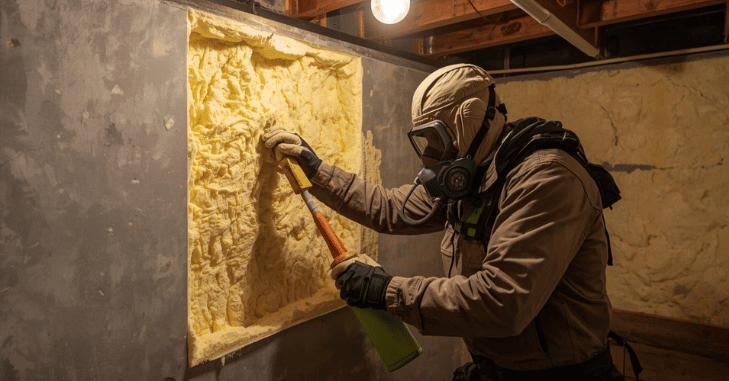
Preventing moisture damage is essential for maintaining a healthy and durable basement, especially when insulating basement walls. Start by checking the exterior grading to ensure the soil slopes away from the foundation, which helps direct water away from the house.
Keep gutters and downspouts clean and functioning properly to prevent water from pooling near the foundation, protecting both your insulation and the structural integrity of your basement. In areas prone to water accumulation, consider installing a sump pump to remove excess water efficiently
Cost Considerations
| Insulation Type / Cost Factor | Estimated Cost (per sq. ft.) | Notes |
| Rigid Foam Boards | $1 – $3 | High R-value, moisture-resistant |
| Spray Foam | $2 – $5 | Excellent air sealing, more expensive |
| Fiberglass or Mineral Wool | $0.50 – $2 | Affordable, requires vapor barrier |
| Labor | Varies | Affordable, requires a vapor barrier |
Benefits of Proper Basement Wall Insulation

- Enhanced Comfort: Even temperatures throughout the home, eliminating cold spots.
- Energy Savings: Reduces heating and cooling costs by up to 15–25%.
- Moisture Protection: Minimizes the risk of mold, mildew, and structural damage.
- Noise Reduction: Insulation also dampens sound from outside or adjacent rooms.
- Increased Home Value: A finished, insulated basement is highly attractive to buyers.
- Long-Term Durability: Protects walls and foundation from temperature fluctuations and water damage.
Common Mistakes to Avoid
To ensure effective insulation, avoid these pitfalls:
- Installing insulation without addressing moisture problems first.
- Skipping a vapor barrier in high-humidity areas.
- Leaving gaps between insulation panels or batts.
- Using the wrong type of insulation for below-ground walls.
- Not sealing seams, edges, and corners properly.
DIY vs. Professional Installation

DIY Installation
- Pros: Lower cost, flexibility, and personal satisfaction.
- Cons: Requires tools, experience, and strict attention to detail. Mistakes can lead to moisture issues or energy loss.
Professional Installation
- Pros: Expertise, guaranteed results, compliance with building codes, and often faster completion.
- Cons: Higher upfront cost, but often pays off in efficiency and durability.
Conclusion
Insulating basement walls is a smart investment that goes beyond simple comfort; it safeguards your home, reduces energy costs, and adds significant value. By carefully selecting the right insulation materials, addressing moisture issues, and following proper installation techniques, homeowners can transform their basements into warm, functional, and energy-efficient spaces.
Whether you tackle the project yourself or hire professional installers, prioritizing basement wall insulation ensures long-term protection, improved indoor air quality, and a more comfortable living environment throughout the year. A well-insulated basement not only enhances daily comfort but also makes your home more attractive to future buyers, combining practicality with lasting value.
Want to know about Water Softener Replacement & Filter Guide: Complete Shower Systems, Whole-Home Water.. Check out our Home Improvement category.
FAQs
The greatest option for preventing heat loss and moisture buildup on basement walls facing the earth is stone wool insulation.
Your basement requires a certain level of breathability to ensure its health and longevity.
Cost-saving insulation is the traditional term for batt insulation. Batt insulation is less expensive than alternative products like spray foam.
We suggest a minimum of one inch and a maximum of around two inches of XPS.