
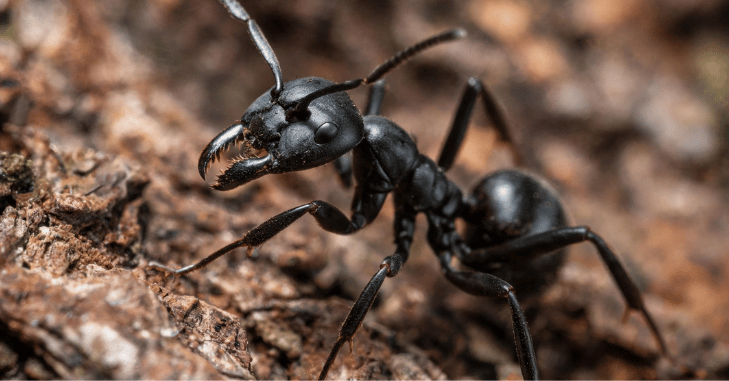
Carpenter ants are among the most misunderstood household pests. Many homeowners often confuse them with termites or assume they pose serious health threats, which raises the common question: Do Carpenter Ants Bite? While these ants can occasionally bite if they feel threatened, their behavior is not driven by aggression toward humans but by survival instincts.
They are more focused on finding food and nesting sites, yet they can still invade homes, damage wooden structures, and cause concern when infestations grow unnoticed. This complete guide explains everything you need to know about carpenter ants, including whether they bite, how they behave, what risks they pose, how to recognize infestation, and the most effective ways to protect your home.
| Section | Key Information |
| What are carpenter ants? | Large ants that nest inside wood but do not eat it; they excavate tunnels for shelter |
| Do Carpenter Ants Bite? | Yes, but only when threatened; bites are rare and usually mild |
| Behavior | Nocturnal, colony-based insects that forage for food and prefer moist environments |
| Main Attraction to Homes | Damp wood, food crumbs, leaky pipes, and poor ventilation |
| Risks | Structural wood damage, infestation spread, food contamination, occasional bites |
| Symptoms of Bites | Mild pain, redness, swelling, itching, rare burning sensation (formic acid) |
| Infestation Signs | Sawdust-like frass, hollow wood, winged ants, night activity indoors |
| Home Damage | Weakens beams, floors, furniture, and structural wood over time |
| Prevention | Moisture control, sealing entry points, cleaning food areas, and removing outdoor nests |
| Treatment Options | Ant baits, insecticidal sprays, diatomaceous earth, and professional pest control |
| When to Call Experts | Repeated infestations, winged ants indoors, or visible structural damage |
What Are Carpenter Ants?
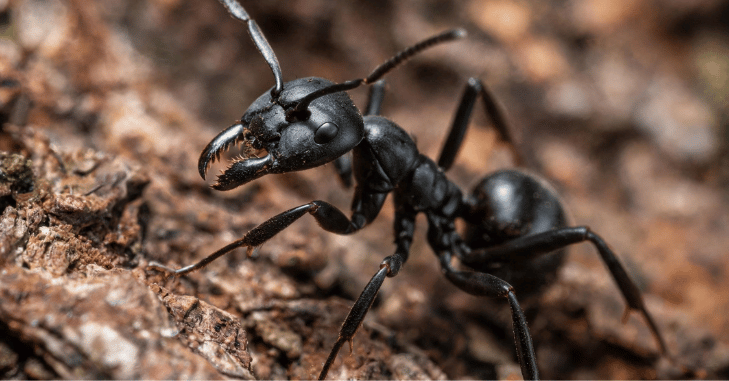
- Carpenter ants are large ants that nest inside wood.
- Unlike termites, they do not eat wood.
- They excavate wood to create tunnels and chambers for their colonies.
- They are commonly found in:
- Damp or decaying wood
- Wall voids and ceilings
- Attics and basements
- Wooden furniture or structural beams
- Physical characteristics:
- Usually black, dark brown, or reddish in color
- Size ranges from 6 to 12 mm.
- Considered one of the largest ant species in many regions
Do Carpenter Ants Bite?
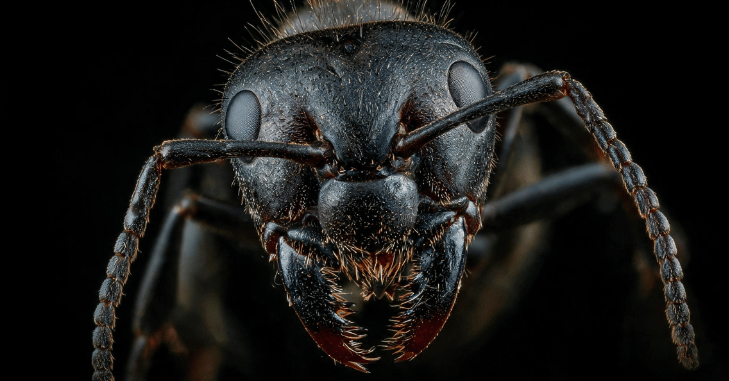
Yes, carpenter ants can bite, but it is not their main form of defense or aggression. The question of do carpenter ants bite often comes up because people encounter them in homes, but these ants usually only bite when they feel threatened, disturbed, or directly handled. Their strong mandibles (jaws) are capable of pinching human skin, which can cause discomfort.
A carpenter’s ant bite typically feels like a sharp pinch or mild sting, followed by temporary redness or irritation. In some cases, sensitive individuals may experience slight swelling around the bite area. Certain species may also release formic acid during the bite, which can lead to a burning sensation or increased irritation.
Behavior of Carpenter Ants
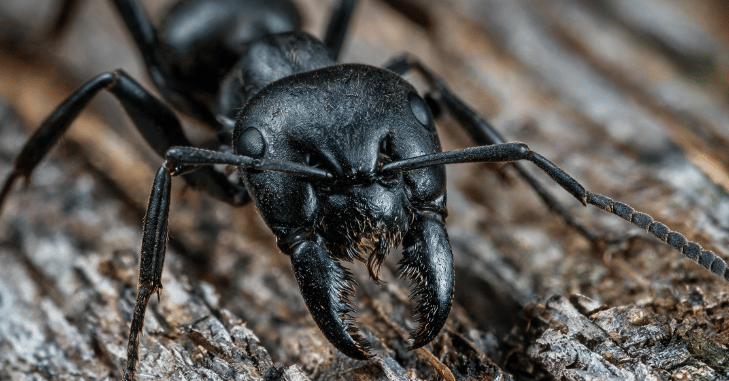
Understanding their behavior helps explain how infestations develop and why they enter homes.
Key Behavioral Traits
- Nocturnal activity: Most active at night, searching for food
- Colony structure: Large colonies with satellite nests
- Foraging habits: Travel long distances for sugary and protein-rich foods
- Wood excavation: Create smooth tunnels inside wood, unlike termites
What Attracts Them to Homes
- Moisture-damaged wood
- Food crumbs and sugary substances
- Leaky pipes or roofs
- Poor ventilation areas
Risks Associated with Carpenter Ants
Structural Damage
The biggest risk posed by carpenter ants is damage to wooden structures in your home. They do not eat wood, but they hollow it out to create nesting areas. Over time, this activity can weaken wooden beams, floors, and furniture. In severe infestations, the structural integrity of parts of the home may become compromised.
Indoor Infestation Spread
Once carpenter ants establish a colony, they can spread into multiple satellite nests throughout the home. This makes it much harder to locate and eliminate. As the infestation expands, ants may begin appearing in different rooms, increasing the difficulty of control and treatment.
Food Contamination
Carpenter ants often search for sugary and protein-rich foods inside kitchens and pantry areas. In doing so, they can contaminate stored food and surfaces, creating hygiene concerns in the home.
Occasional Bites
Although carpenter ants are not aggressive, they may bite if they feel threatened. These bites are rare but can cause mild irritation, redness, swelling, or temporary discomfort.
Symptoms of Carpenter Ant Bites
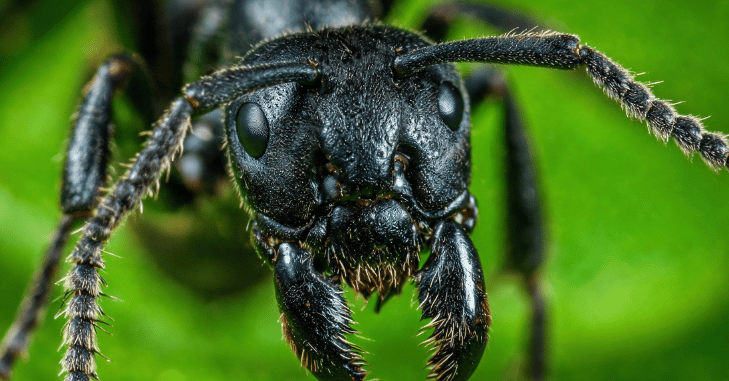
Carpenter ant bites are usually mild, but symptoms can vary depending on sensitivity.
Common Symptoms
- Sharp pinching sensation
- Red mark on the skin
- Mild swelling
- Itching or irritation
Rare Reactions
- Localized allergic reaction
- Slight burning (due to formic acid)
- Extended redness or discomfort
Signs of Carpenter Ant Infestation

Detecting carpenter ants early is important to prevent serious structural damage and control the infestation before it spreads. Common visible signs inside the home include large black or red ants moving indoors, especially at night, small piles of sawdust-like material known as frass, wood that sounds hollow when tapped, and the presence of winged ants (swarmers) inside the house.
Many people also wonder, “Do carpenter ants bite?” and while they can bite if threatened, the main concern is identifying these infestation signs early to prevent damage and costly repairs.
Home Damage Caused by Carpenter Ants
Carpenter ants do not eat wood, but their tunneling causes serious damage over time.
Areas Commonly Affected
- Wooden beams and joists
- Window frames and door frames
- Roof structures and attics
- Wooden furniture
How Damage Progresses
- Initial infestation begins in damp wood
- Colony expands slowly over months or years
- Wood becomes hollow and weakened internally
- Structural stability may eventually be compromised
How to Stay Safe at Home
Eliminate Moisture Problems
One of the most important steps in preventing carpenter ants is removing excess moisture from your home. Fix any leaking pipes and faucets as soon as possible, repair roof leaks immediately, and improve ventilation in damp areas such as basements and bathrooms. It is also essential to dry out wet wood quickly, as moisture creates an ideal environment for ant nesting.
Seal Entry Points
Carpenter ants often enter homes through small openings, so sealing potential entry points is crucial. Close cracks in walls and foundations, seal gaps around windows and doors, and install mesh screens on vents to block their access. These simple steps can significantly reduce the chances of infestation.
Keep Food Areas Clean
Maintaining cleanliness in food areas helps prevent attracting carpenter ants. Store sugary foods in sealed containers, clean kitchen surfaces regularly to remove crumbs and spills, and avoid leaving pet food out overnight. A clean kitchen reduces the food sources that attract ants indoors.
Remove Outdoor Nesting Sites
Carpenter ants often nest outside before moving indoors, so managing your outdoor environment is important. Clear dead trees, stumps, and logs from your property, trim branches that touch or hang near your home, and keep firewood stored away from exterior walls to reduce nesting opportunities.
Use Natural or Chemical Treatments
If ants are already present, both natural and chemical treatments can help control them. Ant baits are effective in eliminating colonies; insecticidal sprays can target visible ants, and diatomaceous earth offers a natural method for controlling infestations. Using these treatments properly can help reduce and prevent future problems related to Carpenter Ants Bite and stop infestation from spreading in your home.
Prevention Tips for Long-Term Protection

Effective Prevention Strategies
- Regular home inspections (especially attics and basements)
- Annual pest control checks
- Moisture control in all wooden areas
- Quick response to any ant sightings
When to Call Professionals
- Ants keep returning after treatment
- You notice winged ants indoors
- Structural damage is suspected
- Multiple nesting sites are found
Conclusion
Carpenter ants are not highly dangerous pests, but they can become a serious problem if ignored. While Do Carpenter Ants Bite? is a common concern; their bites are rare and usually mild. The real issue lies in their ability to damage wooden structures, spread through multiple nesting sites, and create long-term infestations inside homes.
By understanding their behavior, recognizing early infestation signs, and taking preventive steps such as moisture control, sealing entry points, and regular inspections, homeowners can effectively reduce risks. Staying alert and acting early is the best way to protect your home from damage and maintain a safe, pest-free environment.
Want to know about Whole House Surge Protector: Comprehensive Guide to Advanced Home Electrical Safety Check out our Home Improvement category.
FAQs
The Schmidt Sting Pain Index’s highest level. Only one such instance, the sting of the bullet ant, Paraponera clavata, received a 4 on Schmidt’s initial index.
Large colonies of carpenter ants can be disruptive, although they are more annoying than a danger to structural integrity, even though they do not consume wood.
Peppermint, lemongrass, tea tree, lemon, orange, cayenne pepper, clove, and cedarwood are some of the best essential oils for naturally keeping carpenter ants away at home.
Pheromones released by squishing ants can draw additional ants into your house.